
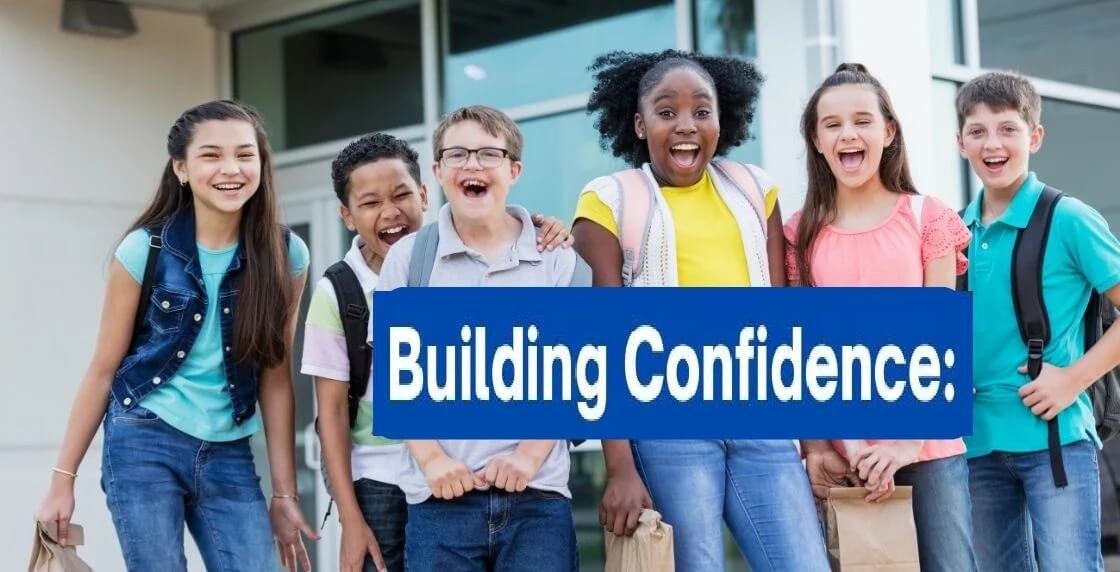
Adolescence is one of the most important stages of personal growth and emotional development. During these years, teenagers begin shaping their identity, building relationships, and making decisions that can influence their future. Confidence plays a major role in how teens respond to challenges, handle peer pressure, and pursue opportunities throughout this critical period of life.
For many young boys in Washington, DC, confidence does not always develop naturally. Social pressure, academic struggles, emotional stress, and limited support systems can affect self-esteem and decision-making. That is why mentorship programs and positive role models are so important during adolescence. Through encouragement, leadership opportunities, and consistent guidance, teens can learn to believe in themselves and recognize their full potential.
Organizations like the Protégé Project help boys build confidence through mentorship, leadership development, education, and supportive community programs that empower youth to grow into strong and capable young men.
Why Confidence Matters During Adolescence
Confidence influences nearly every area of a teenager’s life. Teens who believe in themselves are more likely to participate in school activities, develop leadership skills, communicate effectively, and make healthier decisions.
Low confidence, on the other hand, can lead to:
- Fear of failure
- Negative peer influence
- Academic disengagement
- Social withdrawal
- Emotional insecurity
- Poor decision-making
Adolescence is a time when young people are learning how to navigate responsibilities and relationships. Building confidence during this stage helps teens develop resilience and a stronger sense of identity.
Mentorship programs that focus on personal growth can significantly improve a teen’s self-esteem and emotional development. The role of mentorship in confidence-building is discussed further in How Mentorship Helps Boys in DC Build Confidence.
Confidence Helps Teens Make Better Decisions
Teenagers face constant pressure from social media, peer groups, academics, and outside influences. Confidence helps young people stay grounded and make choices that align with their values and long-term goals.
Confident teens are more likely to:
- Resist negative peer pressure
- Speak up for themselves
- Set healthy boundaries
- Pursue educational opportunities
- Stay focused on personal goals
- Handle setbacks with resilience
Positive self-esteem gives teens the courage to make independent decisions rather than simply following others.
Supportive mentorship environments teach boys how to think critically and build trust in their own abilities. Guidance from mentors also helps teens gain the emotional strength needed to face challenges with confidence.
Mentorship Plays a Major Role in Confidence Building
One of the most effective ways to build confidence during adolescence is through mentorship. Positive mentors provide encouragement, accountability, and emotional support that help teens recognize their strengths and potential.
A mentor can help a young person:
- Develop leadership skills
- Build communication abilities
- Improve self-discipline
- Set realistic goals
- Learn from mistakes
- Celebrate personal achievements
Consistent mentorship creates a safe environment where teens feel supported rather than judged. This type of guidance allows boys to grow emotionally while gaining the confidence to pursue new opportunities.
The impact of mentorship on emotional growth is explored in How Mentorship Strengthens Emotional Well-Being in DC Youth.
Leadership Opportunities Increase Self-Esteem
Leadership experiences help teens step outside their comfort zones and discover what they are capable of achieving. When boys are encouraged to lead, contribute, and take responsibility, they begin developing confidence in their abilities.
Leadership activities can include:
- Team projects
- Community service
- Public speaking
- Sports participation
- Mentorship programs
- Youth leadership groups
These experiences teach teens how to communicate effectively, solve problems, and build trust with others.
Programs focused on youth leadership development help boys build character and confidence while preparing them for future success. Additional insight can be found in The Ultimate Guide to Leadership Development for Young Boys in Washington DC.
Positive Environments Encourage Growth
Confidence grows when teens feel safe, supported, and encouraged. Positive environments outside school can help boys develop emotional security while reducing stress and anxiety.
Structured mentorship programs and after-school activities provide:
- Supportive peer interaction
- Healthy routines
- Goal-setting opportunities
- Emotional encouragement
- Skill development
- Safe spaces for growth
When teens consistently experience encouragement and stability, they are more likely to develop a positive self-image.
The importance of safe and structured environments is discussed further in Why Safe Spaces and Structure Matter for Teens.
Sports and Team Activities Build Confidence
Sports and recreational programs can also play an important role in adolescent confidence-building. Team activities teach discipline, perseverance, teamwork, and leadership while helping teens improve social skills and emotional resilience.
Participation in sports helps boys:
- Build self-discipline
- Improve communication
- Learn teamwork
- Develop perseverance
- Gain confidence through achievement
Youth sports programs often provide mentorship opportunities that encourage positive behavior and personal growth both on and off the field.
The connection between sports and character development is highlighted in The Ultimate Benefits of Youth Sports Programs for Boys in Washington DC.
Emotional Support Builds Long-Term Confidence
Confidence is not built overnight. Adolescents need consistent emotional support from mentors, families, coaches, and community leaders throughout their development journey.
Teens who receive ongoing encouragement are more likely to:
- Recover from setbacks
- Stay motivated during challenges
- Develop healthy coping skills
- Build stronger relationships
- Maintain a positive outlook on the future
Long-term mentorship relationships help boys understand that mistakes and obstacles are part of growth rather than signs of failure.
The long-term benefits of consistent mentorship are discussed in The Long-Term Impact of Mentorship on Youth Success.
Community Mentorship Creates Stronger Futures
Communities play a major role in supporting adolescent development. Mentorship organizations, schools, families, and local leaders all contribute to helping teens build confidence and prepare for adulthood.
When communities invest in youth mentorship and leadership programs, they help create:
- Safer neighborhoods
- Stronger future leaders
- Better educational outcomes
- Increased emotional resilience
- More opportunities for youth success
Organizations like the Protégé Project continue to empower boys in Washington, DC through mentorship experiences that inspire confidence, leadership, and long-term personal growth.
Community-focused mentorship efforts are explored further in Why Community Mentorship Matters for Youth Development.
Conclusion
Building confidence during adolescence is essential for emotional growth, healthy decision-making, leadership development, and future success. Teens who believe in themselves are better equipped to overcome challenges, pursue opportunities, and build meaningful relationships.
Through mentorship, leadership programs, structured support, and positive environments, young boys can develop the confidence needed to thrive during adolescence and beyond. Organizations like the Protégé Project continue to make a lasting impact by helping youth discover their strengths, build resilience, and realize their full potential.
