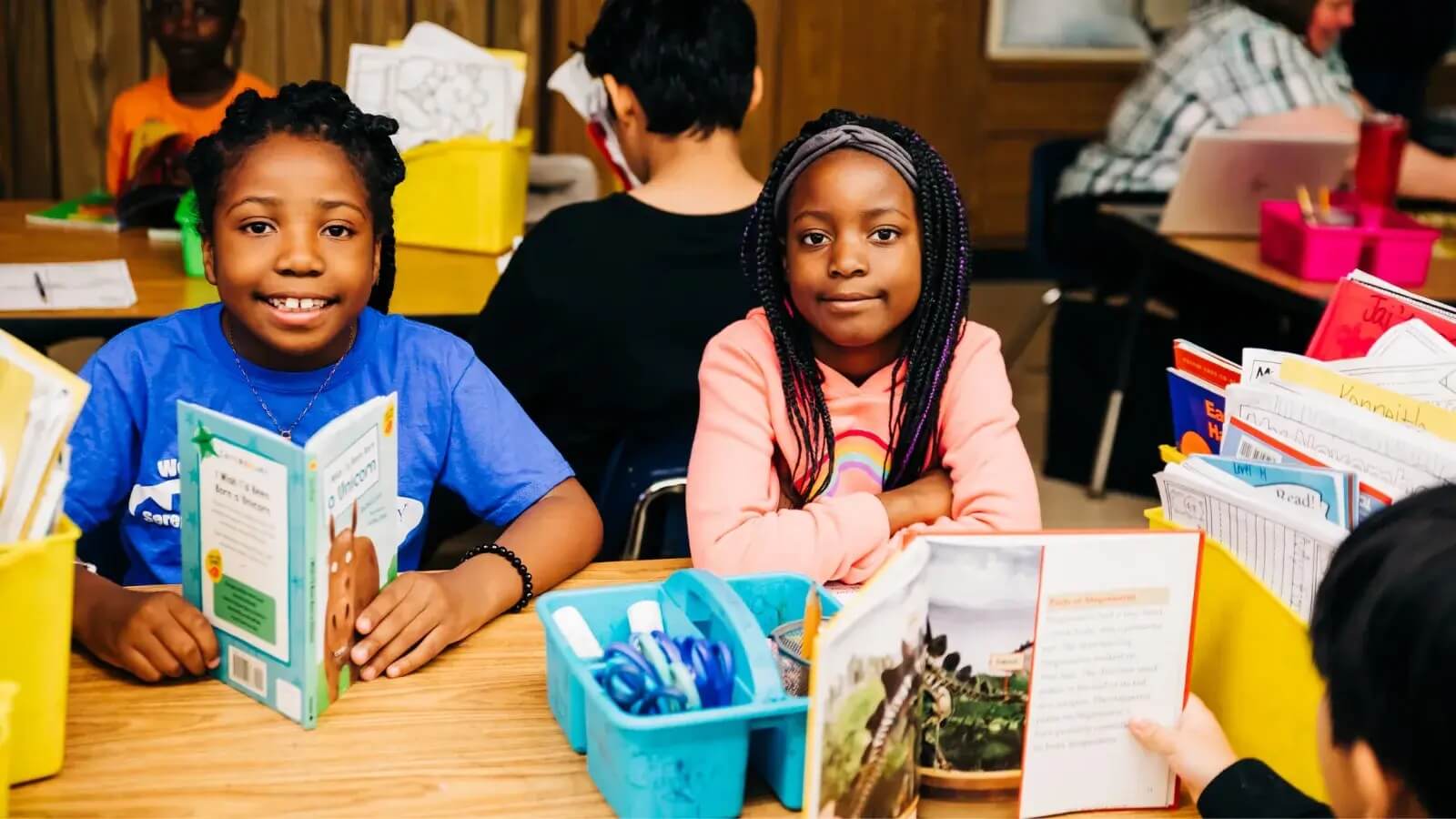
Protégé Project reflects a simple but powerful idea: investing in young people can strengthen an entire community over time. When communities provide teenagers with mentorship, education, leadership opportunities, safe environments, and constructive activities, the benefits can extend beyond individual participants. Young people develop skills and confidence, families gain additional support, and communities can build a stronger foundation for the future.
Community investment in youth is therefore more than an immediate contribution. It is a long-term investment in the people who will eventually become employees, parents, volunteers, mentors, business owners, and community leaders.
Youth Development Creates Benefits Beyond One Person
A young person does not grow in isolation. Their development can influence the people and environments around them.
When teenagers have access to positive opportunities, they can develop stronger communication, decision-making, leadership, and problem-solving skills. Those abilities can influence how they participate in school, interact with peers, approach future employment, and contribute to their communities.
The effects can continue as they become adults.
A teenager who receives meaningful support today may eventually use what they learned to support someone else tomorrow. This creates a cycle in which investment can continue producing benefits long after the original program or activity ends.
Mentorship Creates Relationships That Matter
One of the most valuable forms of community investment is consistent mentorship.
A mentor can provide encouragement, perspective, accountability, and a positive example during a period when young people are making increasingly independent decisions.
Mentorship can help teenagers:
- Build confidence
- Develop communication skills
- Set realistic goals
- Think through difficult choices
- Recognize their strengths
- Stay focused on positive opportunities
For youth in Washington, DC, organizations such as Protégé Project demonstrate how mentorship can become part of a broader approach to youth development.
A consistent relationship can help a young person understand that their future matters to other people.
Education Strengthens the Foundation for Future Success
Community investment can also complement formal education.
Schools provide essential academic instruction, but young people may benefit from additional opportunities that help them apply knowledge and develop skills outside the classroom.
Community programs can support learning through:
- Academic encouragement
- Career exploration
- Skill-building activities
- Educational mentorship
- Leadership experiences
- Community projects
When young people understand how education connects to future possibilities, they may become more motivated to take ownership of their development.
This makes educational support an important part of long-term community investment.
Young People Need Opportunities to Practice Leadership
Leadership skills do not suddenly appear when someone becomes an adult.
Teenagers can begin developing leadership through practical experiences that allow them to take responsibility and contribute to group goals.
A young person might lead a project, organize an activity, assist younger participants, or help solve a community challenge.
These experiences can teach:
- Accountability
- Initiative
- Communication
- Decision-making
- Teamwork
- Problem-solving
Young leaders can eventually become adults who are prepared to participate more actively in their communities.
Programs such as Protégé Project’s Leadership program highlight the value of giving young people space to develop these abilities.
Safe and Supportive Environments Encourage Positive Growth
Community investment is also about creating environments where teenagers can participate, learn, and make mistakes without being defined by those mistakes.
A supportive youth environment can give young people opportunities to:
- Build positive relationships
- Explore interests
- Develop skills
- Practice responsibility
- Ask for guidance
- Learn from setbacks
Safety and structure can be especially important when teenagers are navigating new social and personal challenges.
When young people know where they can find constructive activities and positive adults, they have more opportunities to spend their time in environments that encourage growth.
Community Programs Build Connections
Strong communities depend on relationships.
Youth programs can bring teenagers together with mentors, educators, volunteers, local organizations, families, and other community members. These connections can help young people feel that they belong to something larger than themselves.
Community involvement can teach teenagers that they have both a place and a role within their neighborhoods.
They can learn that contributing might mean:
- Volunteering
- Helping peers
- Participating in local projects
- Supporting community events
- Sharing their skills
- Taking leadership responsibilities
This sense of participation can influence how young people view community responsibility later in life.
Investment Can Develop Future Community Leaders
Today’s teenagers are tomorrow’s adults.
Some will eventually become teachers, healthcare professionals, entrepreneurs, public servants, nonprofit workers, coaches, parents, and mentors. The skills and values they develop during adolescence can influence how they approach those future roles.
Community investment gives young people opportunities to practice the qualities that communities need from future leaders.
These include:
- Responsibility
- Empathy
- Cooperation
- Integrity
- Initiative
- Resilience
- Service
The objective is not to predict what every teenager will become. Instead, it is to give them a stronger foundation from which they can build their own futures.
Positive Youth Development Can Strengthen Families
The benefits of youth programs can also reach families.
When teenagers have access to constructive activities and supportive relationships, families can gain additional resources for youth development. Mentors and community programs can provide encouragement that complements the support young people receive at home.
This does not replace parents or caregivers.
Instead, it creates a broader network around young people.
A strong network can help teenagers recognize that multiple adults and community members are invested in their progress.
Community Investment Can Create a Ripple Effect
One of the most important reasons to invest in youth is the potential for a ripple effect.
Imagine a teenager who participates in a mentorship program and develops stronger communication skills. Those skills may help them succeed in school. Later, they may use those abilities in a career. Eventually, they may volunteer or mentor another young person.
The original investment has now influenced multiple stages of that person’s life.
The same principle can apply to leadership, education, community service, and other youth development experiences.
This is why community investment should be viewed from a long-term perspective.
Partnerships Can Multiply Impact
Youth development becomes stronger when community organizations, businesses, educators, families, volunteers, and supporters work together.
Partnerships can provide resources, expertise, opportunities, and connections that one organization might not be able to create independently.
Businesses, for example, can support youth programs through sponsorships, employee involvement, career exposure, or community initiatives.
Local organizations can contribute specialized knowledge and relationships.
These partnerships can create a network of support around young people.
Community Support Can Encourage Social Responsibility
When teenagers receive investment from their community, they can also learn the importance of giving back.
Young people who experience mentorship and community support may eventually understand that successful communities depend on people who are willing to contribute their time, skills, and resources.
That lesson can encourage future participation in:
- Volunteer programs
- Mentorship
- Community organizations
- Youth initiatives
- Neighborhood projects
- Leadership activities
Community investment can therefore create not only recipients of support but future contributors.
The Impact Can Last Across Generations
The long-term value of youth investment becomes particularly powerful when considering future generations.
A teenager who grows up with positive mentors and meaningful opportunities may eventually become an adult who creates similar opportunities for others.
They may mentor a younger person, support a youth organization, volunteer at a community program, or encourage their own children to participate in constructive activities.
This creates an intergenerational cycle of support.
The impact is no longer limited to one program or one teenager. It becomes part of a broader community culture.
Why Consistent Investment Matters
Lasting social impact rarely comes from a single event.
Young people benefit from consistency.
Regular mentorship, ongoing educational support, repeated leadership opportunities, and dependable community programs can give teenagers time to develop skills gradually.
Consistency allows young people to:
- Build trust
- Practice new skills
- Learn from mistakes
- Develop relationships
- Track their progress
- Take on increasing responsibility
This is why long-term community investment can be more powerful than occasional attention.
Conclusion
Community investment in youth creates lasting social impact because young people eventually become part of the communities they are currently learning and growing within. Providing mentorship, education, leadership opportunities, safe environments, and meaningful activities can help teenagers develop the skills and confidence needed for long-term success.
The benefits can extend well beyond individual participants. Stronger youth can contribute to stronger families, more connected communities, and a future generation of leaders who understand the value of service and responsibility.
For Washington, DC, supporting organizations such as Protégé Project can be one way individuals, businesses, and community members contribute to youth development. When communities invest in young people today, they are also helping build the people and relationships that will shape tomorrow.