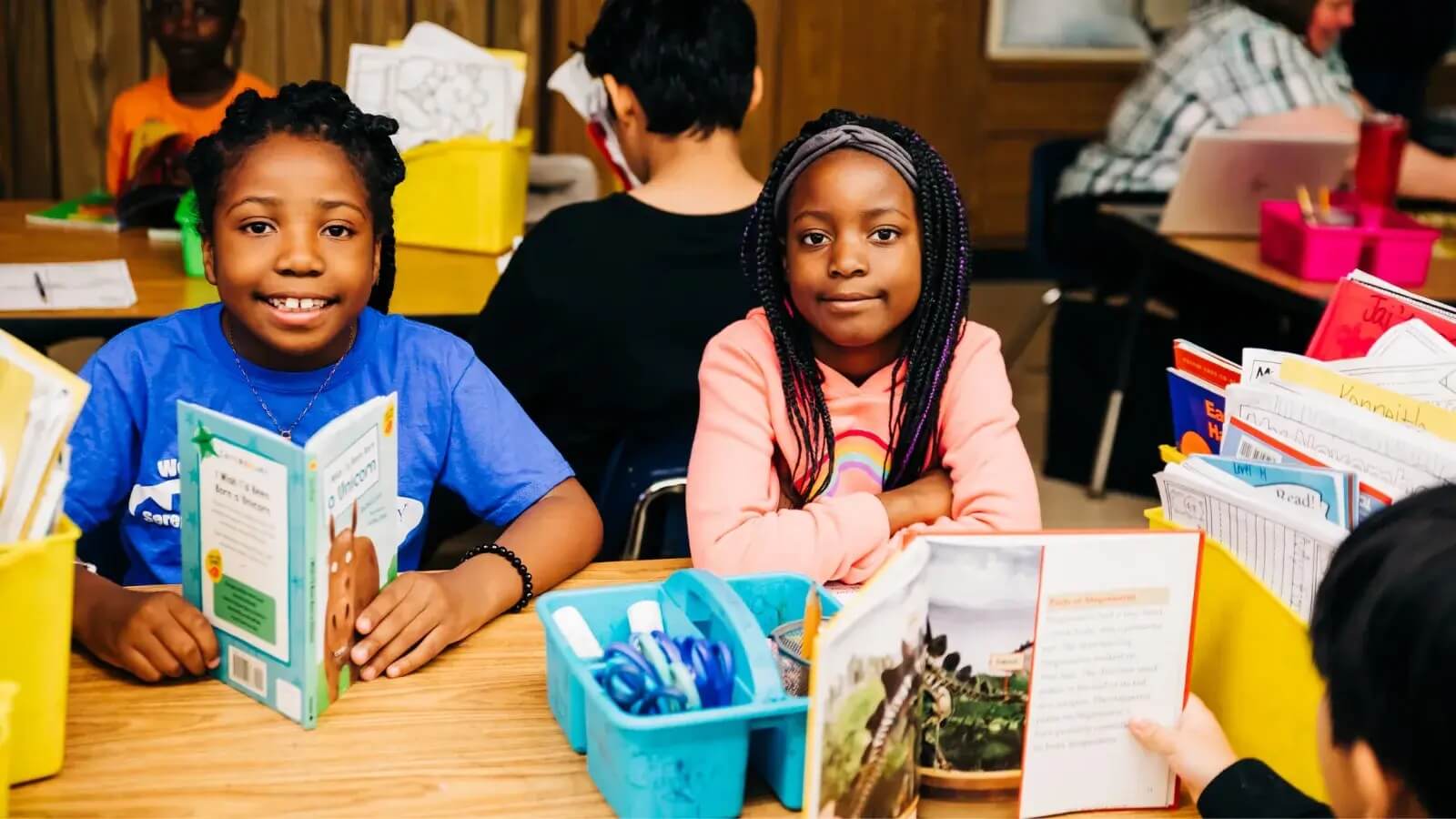
Strong communities are built through investment in people, relationships, and opportunities. One of the most meaningful ways to create long-term community growth is by supporting young people during their formative years. Youth programs provide structure, mentorship, leadership opportunities, and safe environments that help teens develop into confident and responsible individuals.
When communities invest in youth development, the benefits extend beyond the participants themselves. Families become stronger, neighborhoods become more connected, and future leaders emerge with the skills and confidence needed to create positive change.
For boys in Washington, DC, youth mentorship and leadership initiatives create opportunities that encourage personal growth while helping build healthier and more resilient communities. Organizations like Protégé Project continue supporting youth through mentorship experiences that promote confidence, accountability, and long-term success.
Youth Programs Create Positive Environments for Growth
Young people benefit from environments that encourage learning, support, and healthy relationships. Youth programs provide spaces where teens can develop life skills while participating in activities designed to strengthen personal growth.
These programs often include:
- Mentorship opportunities
- Leadership development
- Educational support
- Sports and recreation
- Team-building activities
- Community engagement projects
By creating structured opportunities outside school hours, youth programs help reduce isolation while increasing positive participation in community life.
Safe and supportive environments play an important role in youth development. Additional insight can be found in Why Safe Spaces and Structure Matter for Teens.
Strong Youth Programs Build Stronger Future Leaders
Communities benefit when young people develop leadership skills early in life. Leadership programs help teens build confidence, responsibility, communication abilities, and stronger decision-making habits.
Leadership experiences help youth:
- Learn accountability
- Build teamwork skills
- Improve communication
- Develop confidence
- Take initiative
When teens begin viewing themselves as contributors and future leaders, they become more engaged in creating positive outcomes within their communities.
Leadership development also creates long-term community impact because today’s youth become tomorrow’s mentors, professionals, and local leaders.
More information can be found in The Ultimate Guide to Leadership Development for Young Boys in Washington DC.
Mentorship Strengthens Community Connections
Mentorship is one of the most valuable components of successful youth programs because it builds meaningful relationships across generations.
Mentors help youth:
- Develop confidence
- Set goals
- Stay accountable
- Improve emotional resilience
- Build healthy habits
These relationships help teens feel connected to something larger than themselves while strengthening trust and social support within communities.
Mentorship also creates a cycle of positive influence. Young people who receive guidance often become future mentors and community contributors.
The importance of community-centered mentorship is explored further in Why Community Mentorship Matters for Youth Development.
Youth Programs Encourage Academic Success
Education is one of the strongest drivers of community growth. Youth programs help reinforce academic engagement by giving teens support systems that encourage learning and personal responsibility.
Educational support programs help youth:
- Stay motivated in school
- Improve focus
- Develop study habits
- Build confidence
- Connect education with future opportunities
When students receive support beyond the classroom, they are often better prepared for long-term success.
Programs that combine education and mentorship create stronger outcomes for both individuals and communities.
Additional insight is available in How Mentorship Encourages Academic Motivation in Teens.
Youth Engagement Helps Build Safer Communities
Communities become safer when young people have access to structured activities and positive opportunities.
Youth programs reduce risk by:
- Encouraging healthy decision-making
- Promoting accountability
- Providing supervised environments
- Increasing positive peer relationships
- Offering mentorship and guidance
Teens who feel connected to supportive environments are more likely to develop confidence and make decisions that contribute positively to their communities.
Community-focused youth support helps create stronger neighborhoods over time.
More on this topic can be found in How Community Programs Create Safer Opportunities for Youth.
Community Participation Builds Responsibility
Youth programs often encourage participants to become actively involved in their communities through leadership activities, volunteer opportunities, and collaborative projects.
Community participation helps youth:
- Build accountability
- Strengthen communication skills
- Develop empathy
- Learn teamwork
- Gain leadership experience
These experiences teach young people that they have the ability to make meaningful contributions and influence positive change.
Youth who feel invested in their communities often remain engaged and committed as adults.
The broader impact of community involvement is discussed further in Why Community Involvement Matters for Youth Success.
Structure and Routine Support Long-Term Growth
Youth programs help communities by creating consistency and healthy routines that support adolescent development.
Structured environments encourage:
- Better time management
- Improved self-discipline
- Goal setting
- Emotional stability
- Personal accountability
These habits benefit youth long after program participation ends and contribute to stronger families and neighborhoods.
Programs that combine mentorship and structure often create lasting outcomes.
Additional insight can be found in The Role of Discipline and Routine in Youth Development.
Youth Development Creates Community Resilience
Communities become more resilient when young people are supported and empowered. Investing in youth programs helps create generations of individuals who are prepared to lead, contribute, and strengthen the places where they live.
Long-term community benefits include:
- Increased educational achievement
- Greater civic involvement
- Stronger social connections
- More leadership opportunities
- Healthier community relationships
Youth programs create momentum that benefits not only individuals but entire neighborhoods and future generations.
The long-term influence of mentorship is explored further in The Long-Term Impact of Mentorship on Youth Success.
Creating Lasting Impact Through Collective Support
Youth development works best when families, mentors, schools, and organizations work together. Community partnerships create opportunities that help young people grow while strengthening local support systems.
Organizations such as Protégé Project Youth Mentorship Programs demonstrate how long-term investment in youth can create meaningful community impact.
By helping teens build confidence, develop leadership skills, and stay connected to positive opportunities, youth programs contribute to stronger communities for years to come.
Conclusion
Youth programs strengthen local communities by creating opportunities for mentorship, education, leadership development, and positive engagement. These programs help young people build confidence and responsibility while creating stronger relationships and healthier neighborhoods.
When communities invest in youth, they invest in future leaders, stronger families, and lasting growth. Through mentorship and structured support, organizations like Protégé Project continue helping boys in Washington, DC develop the skills and confidence needed to make a positive impact.