
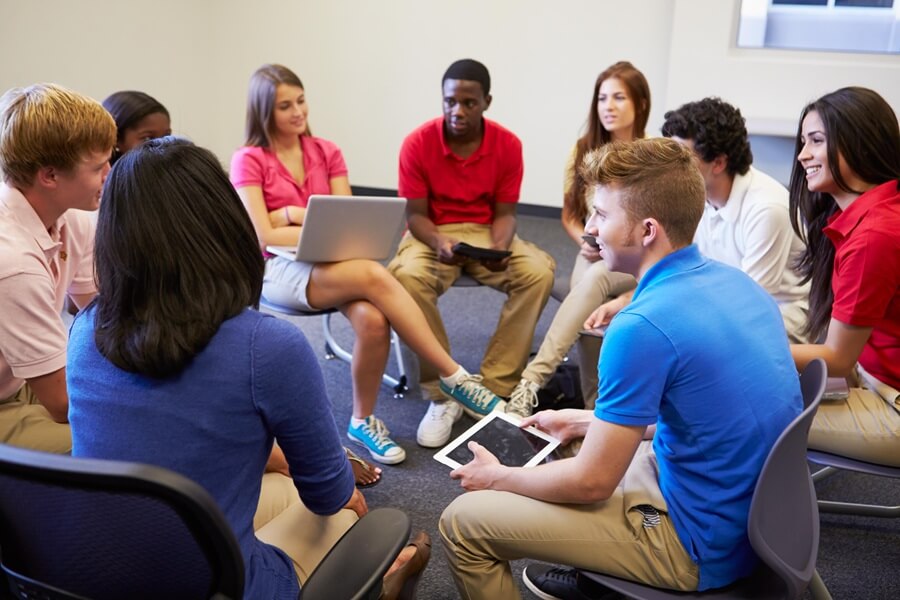
Communication skills are essential for success in school, relationships, leadership, and future careers. During adolescence, teenagers are still learning how to express themselves clearly, listen effectively, and build healthy social connections. One of the most effective ways teens strengthen these abilities is through group activities that encourage teamwork, collaboration, and positive interaction.
For many boys in Washington, DC, group mentorship programs, leadership activities, sports teams, and community projects provide valuable opportunities to improve communication skills in supportive environments. These experiences help teens become more confident speakers, better listeners, and stronger leaders while teaching them how to work respectfully with others.
Organizations like the Protégé Project create structured mentorship experiences where boys can grow socially and emotionally through teamwork, leadership development, and community engagement.
Why Communication Skills Matter for Teens
Communication affects nearly every aspect of a teenager’s life. Strong communication skills help teens build friendships, succeed academically, resolve conflicts, and express emotions in healthy ways.
Without strong communication abilities, teens may struggle with:
- Low self-confidence
- Social anxiety
- Peer pressure
- Emotional misunderstandings
- Difficulty expressing thoughts
- Relationship challenges
Adolescence is an important time for learning how to communicate effectively because these skills influence future educational, professional, and personal success.
Programs focused on mentorship and leadership development help teens practice communication in real-world situations while building confidence and emotional awareness.
Group Activities Create Natural Opportunities for Communication
Group activities encourage teens to interact regularly with peers, mentors, and leaders in ways that strengthen social and verbal skills. Whether participating in sports, leadership programs, after-school activities, or mentorship groups, teens learn how to communicate through shared experiences and teamwork.
These activities teach teens how to:
- Express ideas clearly
- Listen to others respectfully
- Collaborate with peers
- Solve problems together
- Give and receive feedback
- Handle disagreements constructively
Regular interaction within supportive groups helps teens become more comfortable speaking up and sharing their thoughts confidently.
Structured mentorship environments are especially effective because they create safe spaces where boys feel encouraged rather than judged. The importance of supportive environments is discussed further in Why Safe Spaces and Structure Matter for Teens.
Teamwork Builds Stronger Social Skills
Many group activities require teamwork, which naturally improves communication abilities. Working together toward shared goals teaches teens how to cooperate, respect different perspectives, and communicate effectively under pressure.
Team-based activities help boys learn:
- Active listening
- Patience and empathy
- Leadership communication
- Conflict resolution
- Accountability
- Problem-solving skills
These lessons are important not only during adolescence but throughout adulthood as well.
Sports programs, leadership groups, and mentorship initiatives often provide some of the best environments for teamwork development. Youth sports, in particular, teach communication through collaboration, discipline, and shared responsibility.
The role of sports in youth development is explored in The Ultimate Benefits of Youth Sports Programs for Boys in Washington DC.
Group Mentorship Encourages Confidence in Speaking
Many teens struggle with speaking confidently in social settings. Fear of judgment or embarrassment can prevent boys from expressing themselves openly. Group mentorship programs help reduce these fears by creating positive environments where teens feel supported and heard.
When mentors encourage participation and discussion, teens gradually become more comfortable:
- Sharing opinions
- Asking questions
- Leading conversations
- Speaking in front of groups
- Building meaningful connections
Confidence grows through consistent practice and encouragement. Over time, group participation helps boys feel more secure in both social and academic situations.
Mentorship programs focused on confidence-building can have lasting emotional and social benefits. Additional insight can be found in How Mentorship Helps Boys in DC Build Confidence.
Leadership Activities Improve Communication Abilities
Leadership development programs often require teens to communicate clearly, motivate others, and work collaboratively. These experiences help boys develop stronger interpersonal skills while preparing them for future responsibilities.
Leadership activities teach teens how to:
- Speak with confidence
- Organize group discussions
- Present ideas effectively
- Encourage teamwork
- Handle responsibility professionally
When teens are trusted with leadership opportunities, they often develop stronger communication habits and greater self-esteem.
Programs centered around youth leadership development help boys discover their voice while learning how to positively influence others. More information is available in The Ultimate Guide to Leadership Development for Young Boys in Washington DC.
Communication Skills Strengthen Emotional Well-Being
Healthy communication is closely connected to emotional well-being. Teens who can express their thoughts and emotions clearly are often better equipped to manage stress, resolve conflicts, and build healthy relationships.
Group activities help boys:
- Develop emotional awareness
- Build empathy
- Improve social confidence
- Learn respectful communication
- Feel more connected to peers
Supportive mentorship environments also help teens feel understood and valued, which contributes to healthier emotional development.
The connection between mentorship and emotional wellness is discussed further in How Mentorship Strengthens Emotional Well-Being in DC Youth.
Consistent Interaction Builds Long-Term Communication Skills
Communication skills improve through repetition and consistent practice. Teens benefit most when they regularly participate in positive group environments where communication is encouraged and modeled by mentors and leaders.
Consistent group activities help teens:
- Become more socially confident
- Improve listening habits
- Learn respectful disagreement
- Develop leadership communication
- Build long-term social skills
Mentorship programs that provide ongoing support and interaction can create lasting improvements in communication abilities and self-confidence.
The value of long-term mentorship is highlighted in How Consistent Mentorship Transforms Youth in Washington DC.
Community Programs Create Opportunities for Growth
Community-based group activities give teens opportunities to connect with positive role models and supportive peers outside of school. These programs help boys practice communication in environments that encourage learning, leadership, and personal growth.
Youth mentorship organizations often provide:
- Group discussions
- Team-building exercises
- Volunteer opportunities
- Leadership workshops
- Recreational programs
- Peer mentorship activities
These experiences strengthen communication skills while helping teens build confidence and stronger relationships.
Community mentorship initiatives are explored further in Why Community Mentorship Matters for Youth Development.
Conclusion
Group activities play a powerful role in helping teens develop communication skills that support lifelong success. Through teamwork, mentorship, leadership opportunities, and structured social interaction, adolescents learn how to express themselves confidently, listen respectfully, and build meaningful relationships.
For boys in Washington, DC, mentorship and community programs provide safe environments where communication skills can grow alongside confidence, leadership, and emotional resilience. Organizations like the Protégé Project continue to help youth strengthen these essential life skills through positive group experiences that inspire growth and connection.
