
Table of Contents
- Why After School Programs Matter for Disconnected Teens
- Understanding Disconnected Youth and Their Needs
- Disconnected Youth Programs: Core Components That Work
- Youth Mentorship Programs: Building Trust and Belonging
- Reengaging Teens in Education Through Opportunity Youth Support Services
- How to Find and Choose the Right Program for Your Teen
- Frequently Asked Questions
Last Updated: October 19, 2026
Why After School Programs Matter for Disconnected Teens
Disconnected teens face real challenges. School feels disconnected from their lives. They struggle to see how education connects to their future.
The stakes are high. Teens who disengage from school early are more likely to drop out, face employment barriers, and miss opportunities for growth. That’s where structured after school programs step in.
At The Protégé Project, we work with boys ages 6-18 across Washington, DC, offering free before and after school programming that combines mentorship, academics, and sports. The difference isn’t complicated. It’s about meeting teens where they are, not where adults think they should be.
Understanding Disconnected Youth and Their Needs
Disconnected youth are young people who’ve stepped back from school, community, or both. They might still attend school physically, but they’re mentally checked out. Others have already dropped out. The reasons vary: family instability, trauma, lack of belonging, learning struggles, or simply feeling like the system doesn’t see them.
What disconnected youth actually need goes beyond tutoring. They need:
- Adults who listen without judgment, someone who sees them as capable, not broken
- Peer connection, friends who get what they’re going through
- Purpose, activities that feel relevant to their lives right now
- Consistency, the same people, the same place, week after week
- Wins, small successes that rebuild confidence
Many disconnected teens have experienced trauma or adversity. They’ve learned not to trust adults. Traditional classrooms feel impersonal. They need programs designed with their reality in mind. That means culturally responsive programming, trauma-informed practices, and staff trained to build trust slowly.
The good news: disconnected youth respond powerfully when given the right environment. They’re not broken. They just need adults and peers who believe that.
Disconnected Youth Programs: Core Components That Work
After school programs for disconnected teens share common elements. The best ones blend academics, mentorship, and recreation into one experience. They’re not just tutoring sessions or sports leagues. They’re integrated spaces where learning happens naturally.
Academic Support and Homework Assistance
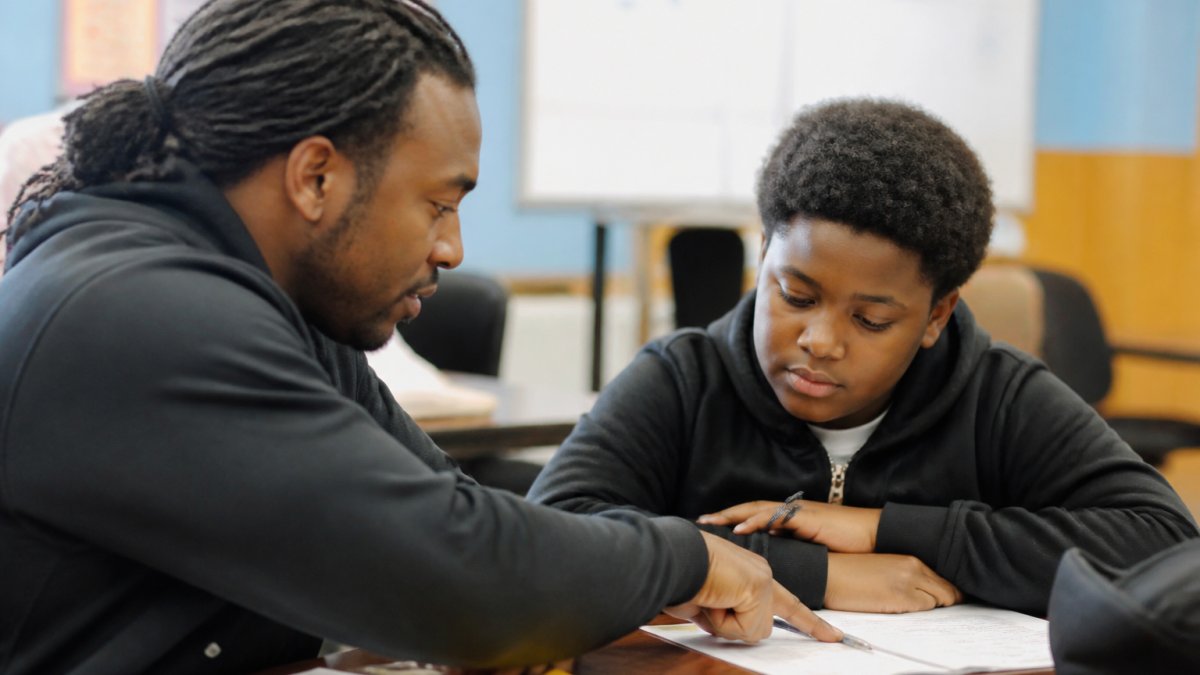
Homework help alone doesn’t re-engage disconnected teens. But homework help combined with relationship-building does. The key is framing academics differently. Instead of “You need to do better in school,” it’s “Let’s figure out what’s blocking you and get you unstuck.”
Effective academic support in after school programs includes:
- One-on-one or small-group tutoring, not lecture-style instruction
- Help with specific assignments, not generic test prep
- Skill-building for struggling readers, phonics, comprehension, fluency
- Executive function coaching, organization, time management, planning
- Connections to school staff, coordinators who talk to teachers about what each teen needs
The mentors matter more than the curriculum. A teen is far more likely to stay engaged with homework help if the adult leading it has built trust with them first.
Mentorship and Positive Role Models
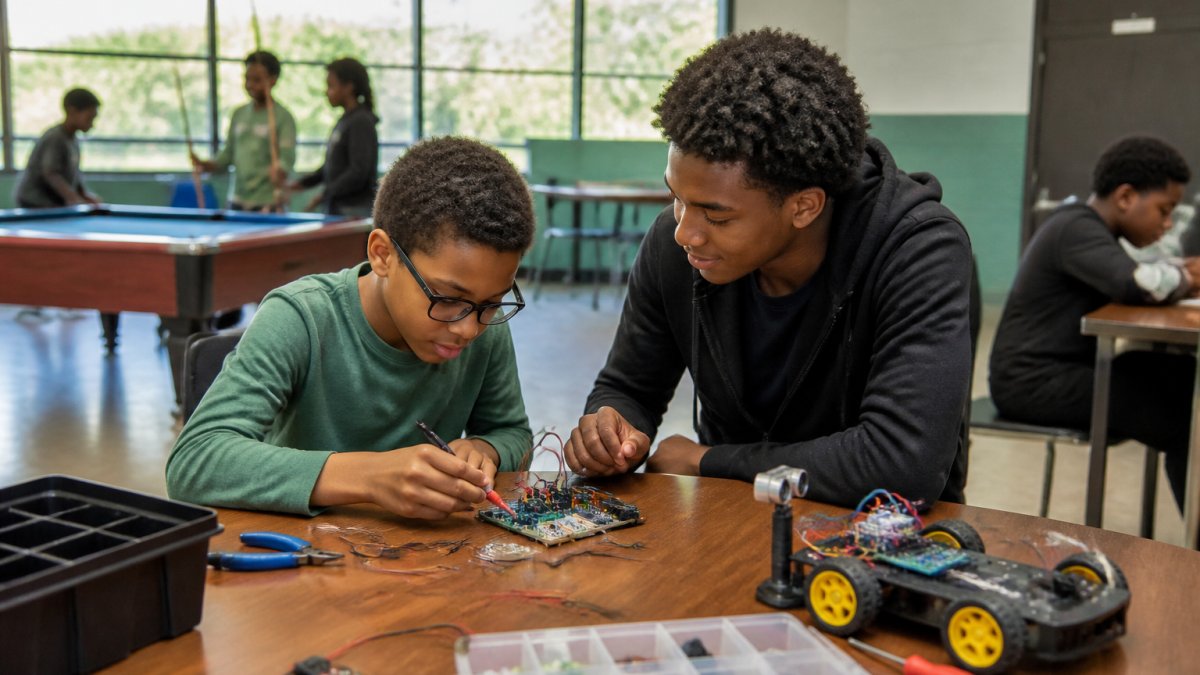
This is where transformation happens. Disconnected teens often lack consistent positive role models. They may have family support, but they need adults outside the family who see their potential and invest in their growth.
Strong mentorship in after school programs looks like:
- Regular one-on-one time, the same mentor, the same teen, week after week
- Listening more than talking, mentors ask questions and actually hear the answers
- Modeling resilience, mentors share their own challenges and how they overcame them
- Belief in the teen’s future, not just today, but years ahead
- Advocacy, mentors connect teens to opportunities, scholarships, internships, jobs
Mentors need training. They need to understand trauma responses, cultural differences, and how to build trust with youth who’ve been let down before. But when done well, mentorship is a powerful component of after school programs for disconnected teens.
Recreation, Sports, and Enrichment Activities
Sports and recreation aren’t extras. They’re central to re-engagement. Physical activity builds confidence. Team sports teach collaboration. Recreation gives teens a reason to show up and a place to belong.
Effective recreation programs include:
- Team sports, basketball, soccer, football, track
- Individual sports, boxing, martial arts, swimming, running
- Creative activities, art, music, drama, photography
- Outdoor activities, hiking, camping, nature exploration
- Leadership opportunities, teen coaches, peer mentors, program helpers
The Protégé Project blends sports with mentorship intentionally. A coach isn’t just teaching basketball. He’s building relationships, modeling discipline, and showing teens what leadership looks like.
Youth Mentorship Programs: Building Trust and Belonging
Trust doesn’t happen overnight. Disconnected teens have learned to protect themselves. They’ve been disappointed. They’re skeptical of adults who say they care. Building trust requires consistency, patience, and genuine interest.
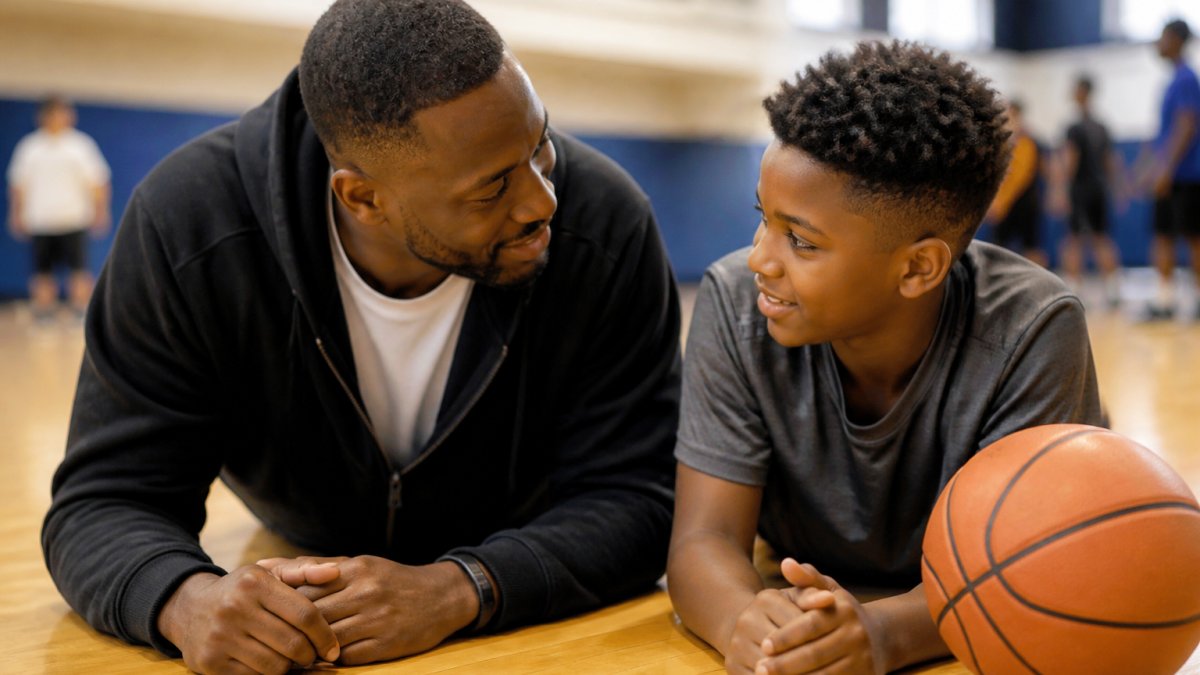
Youth mentorship programs that work create belonging first. They establish rituals. The same mentor meets with the same teen at the same time each week. They do activities together.
Trauma-informed mentorship acknowledges that many disconnected teens have experienced adversity. Mentors are trained to recognize trauma responses, not take behavior personally, and create safety.
Culturally responsive programs matter too. Mentors who share the teen’s background, or who actively learn about and respect the teen’s culture, build trust faster.
The most effective mentors don’t try to be saviors. They show up, listen, and let the teen lead sometimes. They admit when they don’t have answers. They treat the teen with respect, not pity.
Reengaging Teens in Education Through Opportunity Youth Support Services
Opportunity youth support services focus on teens who’ve fallen behind or dropped out entirely. These programs don’t shame. They don’t force. They offer a pathway back to education or employment that feels possible.
Reengaging teens in education means:
- Meeting them where they are, not expecting them to jump back into traditional school immediately
- Flexible scheduling, programs that work around their reality, not the other way around
- Relevance, showing how education connects to jobs, money, independence, and futures they actually want
- Peer support, other teens on the same journey
- Adult advocacy, someone fighting for them in the system
Some teens need GED prep. Others need credit recovery. Some need job training or internship experience first. The best programs offer multiple pathways, not one-size-fits-all solutions.
Overcoming Barriers to Participation
Disconnected teens face real barriers to joining after school programs. Transportation, cost, schedule conflicts, and lack of awareness all prevent participation. The best programs remove these barriers intentionally.
Common barriers and solutions:
| Barrier | Solution | Impact |
|---|---|---|
| Transportation | Programs provide rides or operate near transit | More teens can attend consistently |
| Cost | Free or low-cost programs remove financial stress | Families can participate without worry |
| Schedule conflicts | Flexible timing, weekend options, summer programs | Teens can join even with work or family duties |
| Lack of awareness | Outreach to schools, community centers, families | Teens and families know programs exist |
| Childcare needs | Sibling care available or family programs | Parents can enroll without leaving younger kids |
| Stigma or distrust | Peer referrals, trusted staff, culturally responsive design | Teens feel welcome, not judged |
The Protégé Project operates free programming at North Michigan Park Recreation Center and Edgewood Community Center. We remove cost barriers completely. We coordinate with schools to reach teens who need us most. We show up consistently so teens learn they can trust us.
Evaluating Program Quality and Outcomes
Not all after school programs for disconnected teens are equally effective.
Look for these quality indicators:
- Staff training and retention, mentors are trained in youth development, trauma, and cultural competency; staff stay long-term
- Low staff-to-teen ratios, small enough for real relationships, large enough for peer community
- Regular attendance, teens show up consistently, which means they feel safe and valued
- Academic progress, grades improve, attendance in school improves, graduation rates increase
- Youth voice, teens help design programs, their feedback matters, they have agency
- Family engagement, families are partners, not afterthoughts
- Measurement, programs track outcomes and adjust based on data
Be cautious of programs that claim huge results without showing evidence. Real change happens gradually. Look for programs willing to share specific data: how many teens improved grades, how many stayed in school, how many found employment. Transparency matters.
How to Find and Choose the Right Program for Your Teen
Finding the right after school program for your teen requires honesty and research. Not every program fits every teen. The goal is finding a match that your teen will actually stick with.
Step 1: Identify Your Teen’s Interests and Needs
Start by understanding your teen. What do they actually enjoy? What are they struggling with? What does a good week look like for them?
Ask yourself:
- Academic needs: Does my teen need homework help, tutoring, or credit recovery?
- Social needs: Does my teen struggle with peer relationships, need mentorship, or feel isolated?
- Physical needs: Does my teen need physical activity, sports, or outdoor time?
- Creative needs: Does my teen express themselves through art, music, or other creative outlets?
- Practical needs: What time works? What location is accessible? Are there transportation barriers?
Be honest. If your teen hates sports, a sports-focused program won’t work, no matter how good it is. If your teen needs academic help but also needs to feel like they belong, look for programs that combine both.
Step 2: Research Local Programs and Services
Start with community centers, schools, and nonprofits in your area. Ask for recommendations from teachers, counselors, and other parents. Look at program websites and social media.
Questions to ask:
- What ages do you serve?
- What’s the cost? Are scholarships available?
- When do you operate? (School year only? Year-round? Weekends?)
- What activities do you offer?
- How do you handle transportation?
- What’s your staff background and training?
- Can my teen visit before committing?
Research programs’ reputations. Ask other families. Look for programs with consistent staff, strong community partnerships, and clear outcomes.
The best programs are often the ones your teen’s peers already attend. Ask around.
Step 3: Evaluate Program Leadership and Environment
Visit the program. Observe how staff interact with teens. Do adults listen? Do teens look engaged or checked out? Is the environment clean, safe, and welcoming?
Red flags:
- Staff seem disconnected or disengaged
- Teens look bored or unhappy
- The environment feels chaotic or unsafe
- Staff can’t answer questions about their approach or outcomes
- Teens don’t have a say in what happens
Green flags:
- Staff know teens by name and ask about their lives
- Teens are engaged, laughing, focused
- The environment is organized but not rigid
- Staff can clearly explain their philosophy and show results
- Teens have choices and agency
Trust your gut. If something feels off, it probably is.
The Protégé Project combines mentorship, academics, and sports intentionally. We’re free. We operate in accessible community centers. Our staff are trained mentors who stay long-term. We focus specifically on boys ages 6-18 who need consistent support.
Finding the right after school program is one of the most powerful investments you can make in your teen’s future. Disconnected teens need adults who believe in them, spaces where they belong, and opportunities to grow. The right program provides all three.
Frequently Asked Questions
What does it mean for a teen to be disconnected from school or community?
Disconnected teens have withdrawn from school, community activities, or positive peer relationships. They may struggle with attendance, feel isolated, lack motivation, or face barriers like transportation or cost. After-school programs help by providing safe spaces, mentorship, and activities that rebuild engagement and confidence. Many disconnected youth respond well to programs that combine academic support with recreational activities and positive role models.
How can youth mentorship programs help teens who have disengaged from school?
Youth mentorship programs create one-on-one relationships with trusted adults who understand teens’ challenges and goals. Mentors provide encouragement, accountability, and practical guidance on academics and life skills. Through consistent contact and genuine interest, mentors help teens feel valued and supported, which often reignites motivation for school. Programs that blend mentorship with academic tutoring and recreational activities show stronger outcomes in attendance and grade improvement.
What should I look for when choosing an after-school program for a disconnected teen?
Look for programs that offer academic support, mentorship from vetted adults, and activities aligned with your teen’s interests. Check whether mentors are trained and screened, group sizes are manageable, and the environment feels safe and welcoming. Ask about outcomes: how many teens improve grades or attendance? Does the program address specific barriers like transportation or cost? The best programs meet teens where they are and build trust before pushing change.
How can I tell if an after-school program is actually making a difference for my teen?
Track concrete changes: improved school attendance, better grades, more positive attitude, or new friendships. Ask your teen what they value about the program and whether they feel supported. Communicate with program staff about your teen’s progress and goals. Quality programs measure outcomes through attendance rates, academic improvement, and feedback from participants and families. Request specific examples of how the program has helped your teen develop skills or confidence.






Leave A Comment