

Table of Contents
- Free After-School Sports for Boys: What Families Need to Know
- After-School Programs for Boys in Washington, DC
- Youth Sports Programs Washington DC: Sports Offered and Age Groups
- After-School Sports and Homework Help: How It Works
- Benefits of Youth Sports for Boys’ Development
- Eligibility, Transportation, and What Free Programs Include
- How to Enroll Your Son in Free After-School Sports
- Frequently Asked Questions
Last Updated: October 12, 2026
Free After-School Sports for Boys: What Families Need to Know
Free after-school sports for boys give families a safe, structured place for their sons to play, build skills, and stay active after the school bell rings. At The Protégé Project, we have coordinated free before and after-school programming for boys ages 6-18 since 2019. Our programs run through North Michigan Park Recreation Center and Edgewood Community Center. We blend sports with homework help and mentorship, so boys get more than just a game.
Below, we break down what each site offers, who qualifies, and how to sign your son up this week.
Free after-school sports for boys in DC combine three things: physical activity, academic support, and positive male role models. Programs that offer all three tend to keep boys engaged longer than sports alone.
After-School Programs for Boys in Washington, DC
Two community centers anchor free after-school sports for boys in this area: North Michigan Park Recreation Center and Edgewood Community Center. Both sites offer structured sports, homework help, and mentorship at no cost to families.
The programs serve boys from DC, Maryland, and Virginia. You do not need to live in a specific neighborhood to join.
North Michigan Park Recreation Center
North Michigan Park Recreation Center hosts free after-school sports for boys on weekday afternoons. The site offers basketball, soccer, and flag football, plus quiet space for homework before practice.
Boys arrive after school, grab a snack, and start with 30-45 minutes of homework help. Then they hit the gym or field for organized play.
The center sits in a quiet Northeast DC neighborhood with easy drop-off access. Parents can park on-site for pickup.
Edgewood Community Center
Edgewood Community Center runs a parallel program with its own coaches and schedule. Sports rotate by season, so boys can try basketball in winter and soccer in spring.
The site also offers homework help before sports.
Both centers operate under the same program model. That means your son gets the same structured experience no matter which site he attends.
Youth Sports Programs Washington DC: Sports Offered and Age Groups
Youth sports programs in Washington DC through our network cover various sports across different age brackets. Boys ages 6-18 can join any sport that fits their age group. Every offering below is free, and every offering is open to boys only.
Here is how the sports break down:
| Sport | Age Group | Season | Skill Level | Typical Practice Format |
|---|---|---|---|---|
| Basketball | 6-18 | Winter | Beginner to advanced | 2 weekday practices + 1 weekend game |
| Soccer | 6-14 | Fall, Spring | Beginner to intermediate | 2 weekday practices + 1 weekend game |
| Flag Football | 8-16 | Fall | Beginner to intermediate | 2 weekday practices + 1 weekend game |
| Volleyball | 10-18 | Spring | Beginner to intermediate | 2 weekday practices + 1 weekend game |
| Baseball | 6-12 | Spring, Summer | Beginner | 2 weekday practices + 1-2 weekend games |
| Multi-Sport | 6-10 | Year-round | Beginner | Rotating 3-week blocks across sports |
Basketball, Soccer, and Flag Football
Boys learn dribbling, passing, and team play in a structured league format. Games run weekly, and every player gets time on the court. Coaches use a rotation system so no boy sits for an entire game, even at the beginner level. If your son has never played organized basketball, tell the coach at intake; he will be grouped with other first-year players rather than dropped into an advanced rotation.
Soccer builds endurance and footwork. Coaches focus on basics first, then move to game situations. No prior experience needed. Cleats are helpful but not required; closed-toe athletic shoes work for the first few weeks while you decide whether to buy cleats.
Flag football teaches route running, catching, and field awareness. It is non-contact, so safety stays front and center. Boys wear flag belts provided by the program, and blocking is limited to positioning rather than contact.
Volleyball, Baseball, and Multi-Sport Options
Volleyball suits boys who want a team sport without constant running. It builds hand-eye coordination and communication.
Baseball covers throwing, batting, and base running. The program provides bats, balls, and helmets for use during sessions; boys who want their own glove are welcome to bring one, but a loaner glove is available if you ask at check-in.
Multi-sport lets younger boys try several activities in one program. This helps them find what they enjoy before committing to one sport.
If your son is unsure which sport to pick, multi-sport can be a good option.
Age Groups, Eligibility, and Boys-Only Participation
All programs in this guide are boys-only. That is a deliberate choice, not a limitation of the facilities. Some families ask whether a sister or a female friend can join; the answer is no for these specific programs, but the same community centers often run co-ed recreation programming separately. Ask at the front desk if you are looking for a co-ed option for a sibling.
There is no tryout, no minimum skill level, and no income requirement. A boy who has never played a sport before is just as eligible as a boy who has played for years.
What a Typical Week Looks Like
Practices run during the after-school window on weekdays, which means your son goes straight from school to the center rather than needing a separate evening commitment. Weekend games are usually scheduled in the morning or early afternoon.
Beginners and Boys With Disabilities
For boys with disabilities, accommodations depend on the sport and the site. The intake chat is where this gets worked out. Bring any IEP, 504 plan, or medical documentation that helps the coach understand what your son needs. Do not assume a sport is off the table because of a disability; ask first, and the staff will tell you honestly what the site can and cannot support.
How to Confirm a Sport Is Running This Season
Before you plan around a specific sport, confirm three things: the sport is on the current season schedule, the age bracket has open spots, and the site you want is hosting it. Call the center or check the program page.
After-School Sports and Homework Help: How It Works
After-school sports and homework help run back to back in the same visit. Boys finish school, check in at the center, and start with academics before sports.
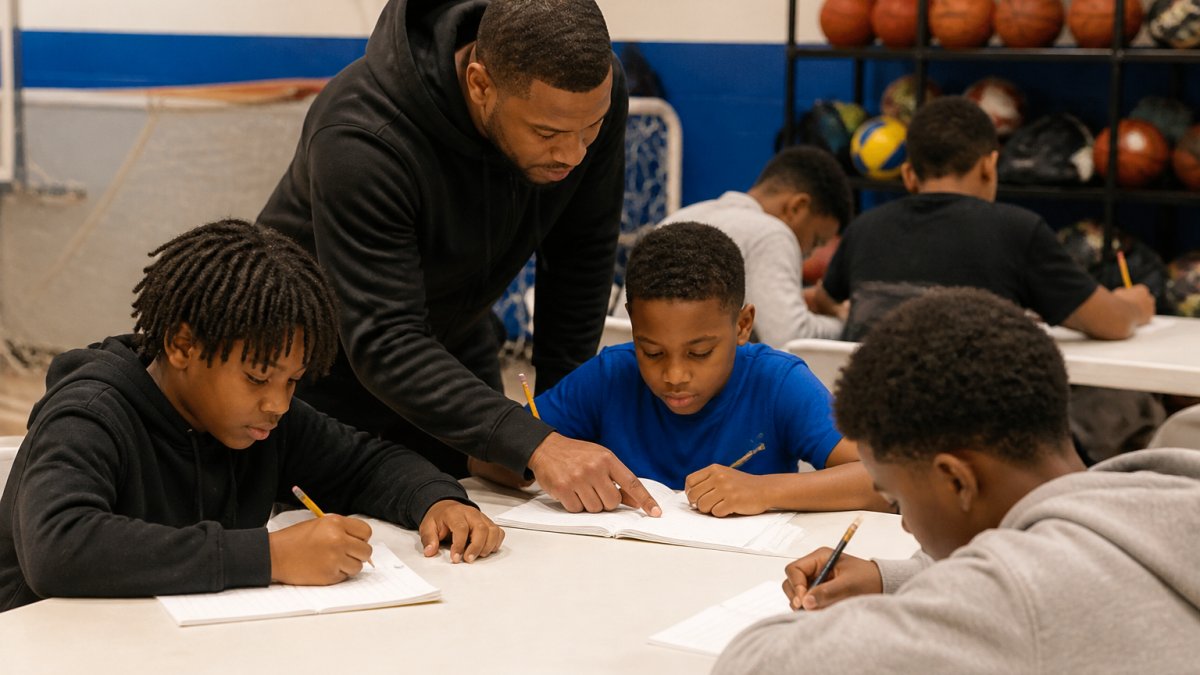
The daily schedule looks like this:
- 3:00-3:30 PM, Arrival, snack, and check-in
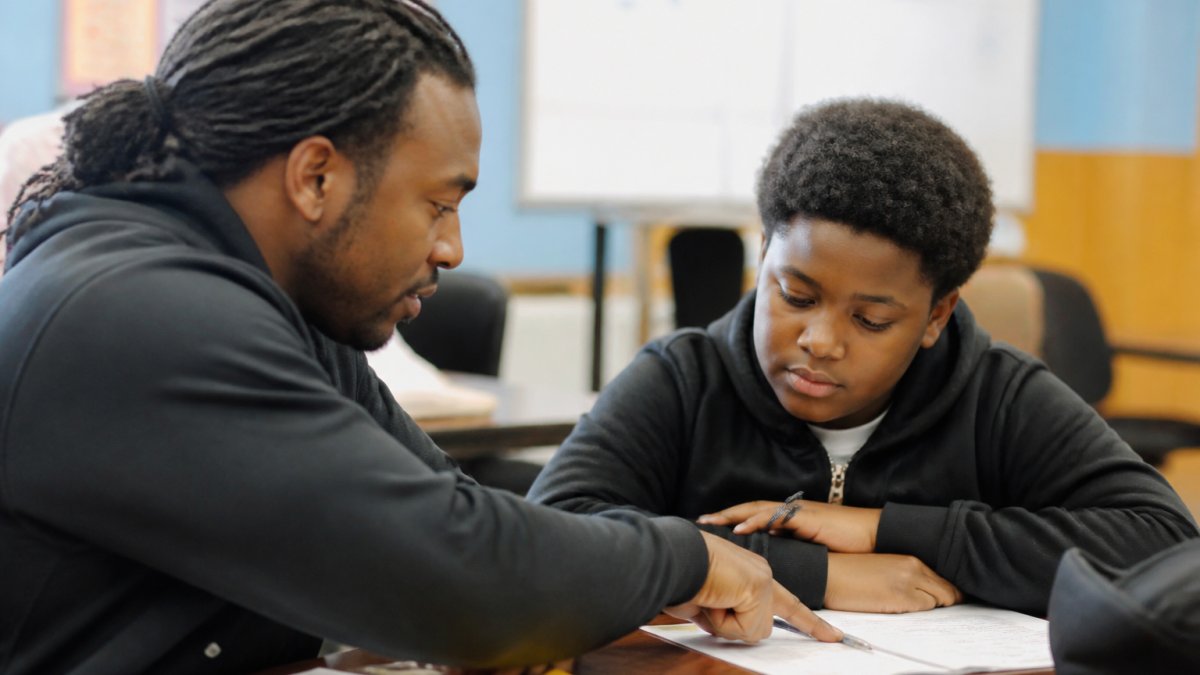
- 3:30-4:15 PM, Homework help with mentors
- 4:15-5:30 PM, Sports practice or league play
- 5:30-6:00 PM, Cool down, reflection, and pickup
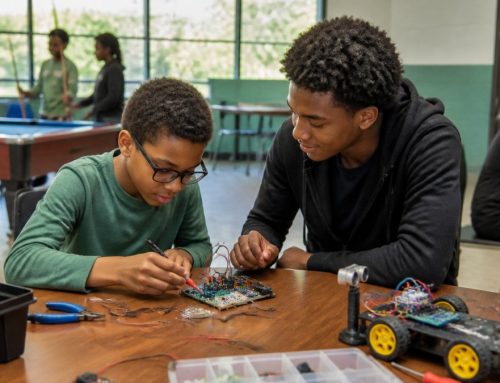
Mentors help with math, reading, and science assignments. They guide him through it.
Benefits of Youth Sports for Boys’ Development
The benefits of youth sports for boys go far beyond fitness. Boys who play team sports build discipline, learn to handle wins and losses, and form bonds with coaches and teammates.
Key benefits include:
- Leadership skills, Captains, team roles, and group decisions build confidence
- Discipline, Practice schedules teach commitment and time management
- Physical confidence, Regular activity improves strength, stamina, and coordination
- Emotional resilience, Losing a game and trying again builds grit
- Positive role models, Male mentors show boys what healthy adulthood looks like
The CDC’s youth physical activity guidelines note that children and teens need about 60 minutes of physical activity each day. After-school sports help boys hit that target without adding another task to your evening.
Academic support matters too. The U.S. Department of Education’s resources on afterschool programs point to structured programs as a way to support learning outside the classroom.
Eligibility, Transportation, and What Free Programs Include
Eligibility for free after-school sports for boys is simple: boys ages 6-18 who live in DC, Maryland, or Virginia can join. You do not need to attend a specific school or live in a specific neighborhood.
Here is what the program covers at no cost:
- Sports instruction and league play
- Homework help and tutoring
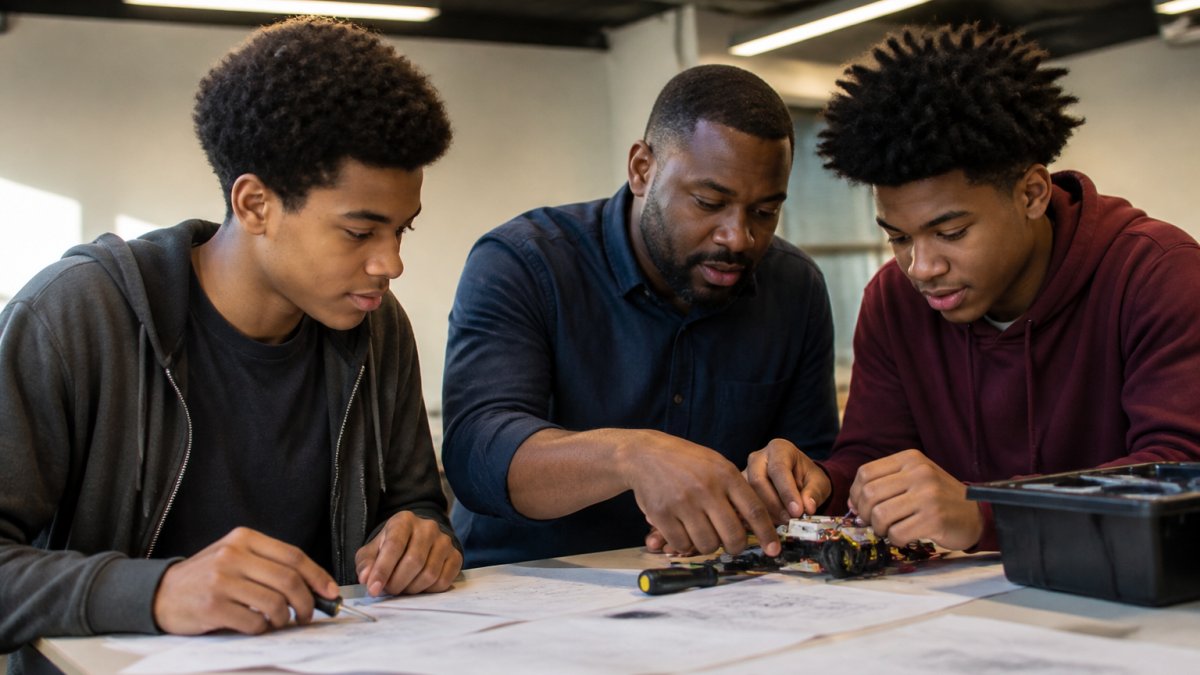
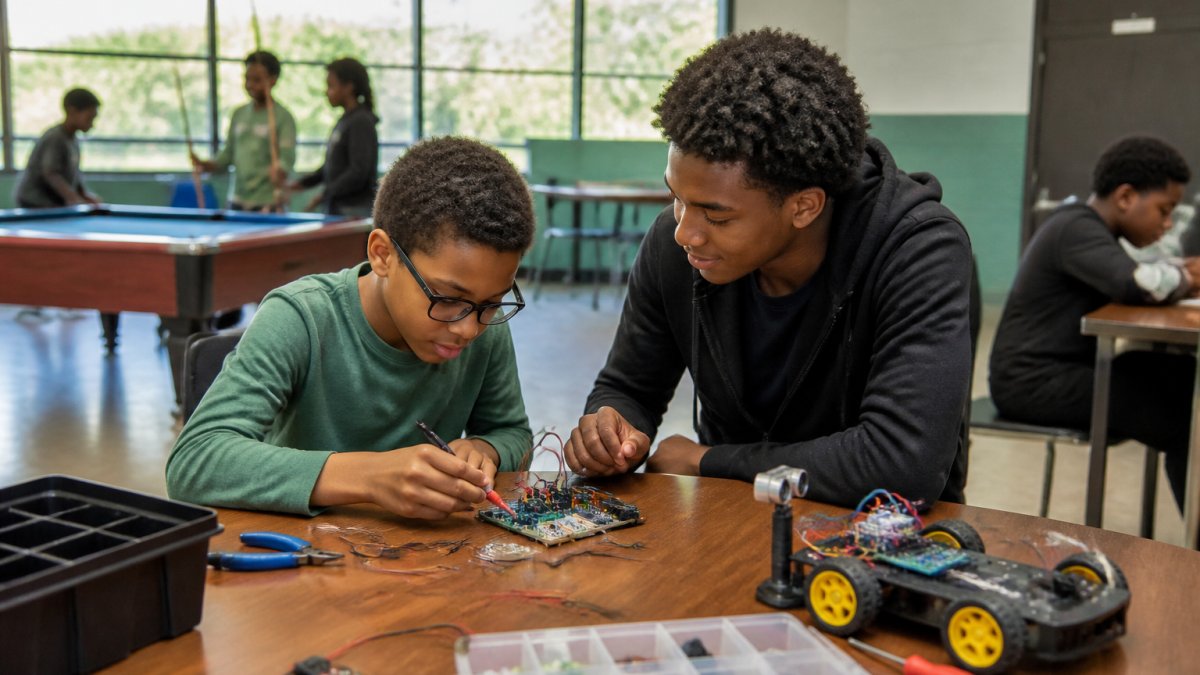
- Mentorship from vetted male role models
- Snacks during the after-school window
- Sports equipment for use during sessions
Families provide:
- A completed enrollment form
- Emergency contact information
- Comfortable clothes and closed-toe shoes
- A water bottle
Who Qualifies and How to Verify Availability
Any boy ages 6-18 in the DC, Maryland, or Virginia area qualifies. There is no income requirement and no tryout.
Because schedules and space change by season, always confirm current availability before you show up. Call the center directly or check our program page for the latest openings.
Do not assume a spot is open just because a friend’s son is enrolled. Group sizes are capped so every boy gets attention. Confirm your son’s spot before his first day.
How to Enroll Your Son in Free After-School Sports
Enrollment takes about 15 minutes. Follow these steps:
- Pick your site, North Michigan Park Recreation Center or Edgewood Community Center
- Call or check online, Confirm the sport, age group, and current openings
- Complete the enrollment form, Basic info, emergency contacts, and any medical notes
- Attend an intake chat, A short conversation with a mentor about your son’s interests
- Start the next session, Your son joins his age group and begins the same week
If your son is 16 or older and feels disconnected from school, tell us during intake.
Frequently Asked Questions
Where can I find free after-school sports for boys in Washington, DC?
The Protégé Project coordinates free after-school sports for boys at North Michigan Park Recreation Center and Edgewood Community Center. Programs run during the school year and include basketball, soccer, flag football, and multi-sport options. Boys ages 6 to 18 can join, with no prior experience required. Contact The Protégé Project directly to confirm current schedules and space availability, since rosters fill quickly at the start of each season.
Do free after-school sports programs include homework help or tutoring?
Yes. The Protégé Project combines after-school sports and homework help in a single session. Boys spend time on academic support and tutoring before or after their sports block, so working parents get one pickup time that covers both. This structure helps boys keep up with schoolwork while staying active, and mentors are present throughout to keep students on task and encourage good study habits.
Can boys join after-school sports programs without prior experience?
Absolutely. Programs are designed for beginners as well as experienced players. Coaches group boys by age and skill level, so a child who has never picked up a basketball gets the same chance to learn as someone who has played for years. The focus is on skill-building, teamwork, and confidence, not competition. Boys ages 6 to 18 are welcome regardless of athletic background.
What should parents look for in a free youth sports program?
Check that coaches and mentors are screened and trained, that the program has a clear schedule and safe location, and that it offers both sports and academic support. Also confirm what the program provides, such as equipment and snacks, and what families need to supply. The Protégé Project answers these questions openly so parents can make an informed decision.
Finding free, structured after-school care for your son can feel like a puzzle with missing pieces. The Protégé Project fills that gap with free programming that combines sports, homework help, and mentorship for boys ages 6-18. Our programs run through North Michigan Park Recreation Center and Edgewood Community Center, led by vetted coaches and mentors who show up for every boy. Get started with The Protégé Project and give your son a safe place to play, learn, and grow.




Leave A Comment