

Table of Contents
- What Free After School Programs Are Available in DC
- DCPS After-School Programs and School-Based Options
- Free After-School Activities for Kids in DC Beyond Traditional Programs
- After-School Programs for Teens in DC: Mentorship and Leadership Focus
- DC After-School Program Enrollment: How to Get Your Son Started
- What to Look for in a Quality After-School Program
- Conclusion
- Frequently Asked Questions
Last Updated: October 10, 2026
What Free After School Programs Are Available in DC
Finding quality free after school programs DC can feel overwhelming for working parents. Options exist across neighborhoods, combining academic support, mentorship, and recreation at no cost. At The Protégé Project, we believe structured, supervised care shouldn’t depend on a family’s budget.
Before- and after-school programs provide safe environments where children learn and build leadership skills while parents work. The challenge isn’t finding options, it’s knowing which are legitimate, well-run, and actually free versus those that hide costs.
This guide covers DCPS after-school programs, community options, and enrollment.
DCPS After-School Programs and School-Based Options
The District of Columbia Public Schools operates several after-school programs for enrolled students. These school-based options are genuinely free and run at participating school sites across neighborhoods.
DCPS after-school programs typically run from dismissal (around 3:15 PM) until 6:00 PM on school days, with academic support, recreation, snacks, and supervised homework time.
These programs focus on keeping students engaged during critical after-school hours. Research from the National Center for Education Statistics shows that out-of-school time programs help reduce behavioral issues and support academic achievement when they combine homework help with enrichment activities.
One advantage of school-based options is proximity: your son stays in his familiar school with staff who know him. The trade-off: programming can feel less specialized than community alternatives, and availability depends on your school’s capacity and funding.
To enroll, contact your school’s main office. Many schools have waitlists during peak periods; some DCPS programs fill by August.
Free After-School Activities for Kids in DC Beyond Traditional Programs
Beyond the school building, free after-school programming in the District comes from three sources: Department of Parks and Recreation (DPR) recreation centers, the public library system, and community nonprofits. Each operates differently, and those differences matter when comparing options.
Recreation centers: the neighborhood backbone
DPR runs recreation centers in every ward, and most offer free drop-in and registered youth programming after school. DPR youth programs are free to District residents, but individual sites set their own hours, age bands, and activity mix, so two rec centers a mile apart can look very different.
A practical way to compare nearby options is to sort by ward and ZIP code, then call each site directly. The table below shows the detail worth capturing before you commit.
| What to confirm | Why it matters |
|---|---|
| Ward and ZIP code | Determines which sites are realistically reachable on a school-night schedule |
| Ages and grades served | Many sites split elementary, middle, and teen programming into separate rooms and time blocks |
| Hours and dismissal alignment | A site that opens at 3:00 PM may not match a 3:15 PM school dismissal plus travel time |
| Registration vs. drop-in | Some activities require sign-up and fill; others are open on a first-come basis |
| Snack or supper | Federally reimbursed meal programs vary by site |
| Transportation | Whether the child walks, is bused, or must be picked up |
| Current status | Open, waitlisted, or full for the current term |
Library branches: homework help and quiet space
Public library branches across the District function as free after-school destinations, hosting homework help, reading programs, and STEM or maker activities at no cost. The trade-off: library programming is often drop-in rather than supervised care, so it works best for older students who manage their own time or families needing an academic boost rather than full coverage until 6:00 PM.
Nonprofits and community organizations
Nonprofit youth organizations fill gaps the public system leaves, particularly for mentorship, sports, and leadership. The Protégé Project, for example, coordinates free before- and after-school programming for boys ages 6-18 at North Michigan Park Recreation Center and Edgewood Community Center, combining academic support, mentorship, and recreational sports.
When evaluating any nonprofit, verify three things:
- Is it actually free? Some organizations advertise free programming but require donations, uniforms, or activity fees. Ask what a family pays out of pocket.
- Who is eligible? Some programs serve only specific ages, grades, schools, or neighborhoods.
- What is the current status? Capacity changes term to term. A program open in the fall may be waitlisted by winter.
Build your own shortlist before you call. Pick two or three sites within a reasonable trip from your child’s school, note the ward and ZIP, and ask each one the same set of questions. Comparing answers side by side is far faster than visiting providers one at a time.
Eligibility and income rules to understand
Free programming in the District generally falls into two buckets. Public programs, like DPR rec centers and library activities, are typically free to residents regardless of income, though some registered leagues or specialty classes may carry a small fee.
A common pattern: programs are free to families who qualify for free or reduced-price meals or attend a participating school, while others may pay a sliding-scale fee. Always ask the provider which category your child falls into and what documentation they require.
After-School Programs for Teens in DC: Mentorship and Leadership Focus
Teenagers face unique challenges during after-school hours. Many are old enough to stay home alone but benefit from structured environments, positive role models, and leadership opportunities.
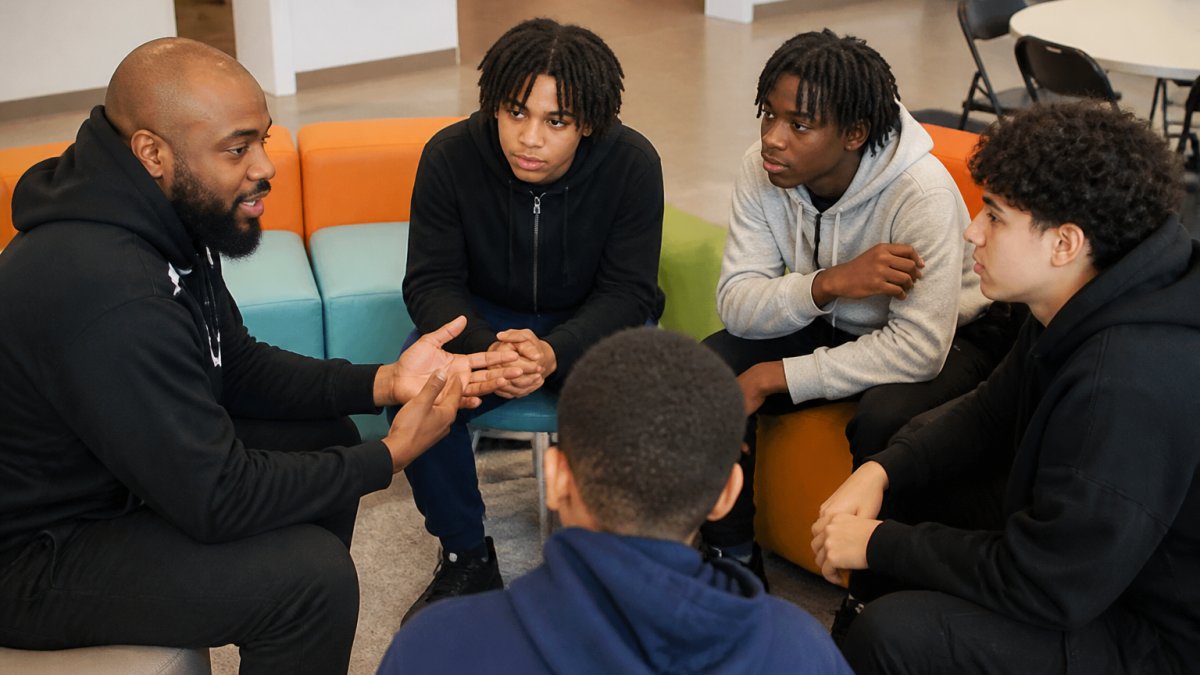
After-school programs for teens in DC increasingly focus on leadership development, career exploration, and mentorship. Rather than just keeping teens occupied, quality programs challenge them to grow.
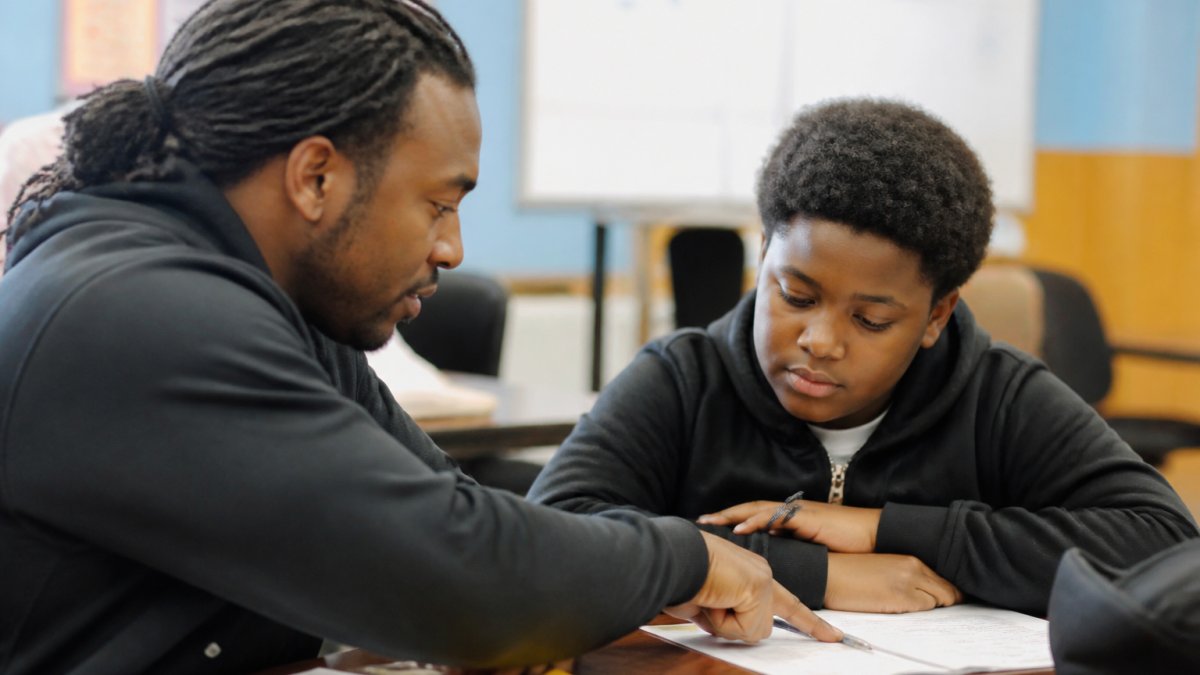
Mentorship-focused programs recognize that many teens need guidance beyond what school provides.
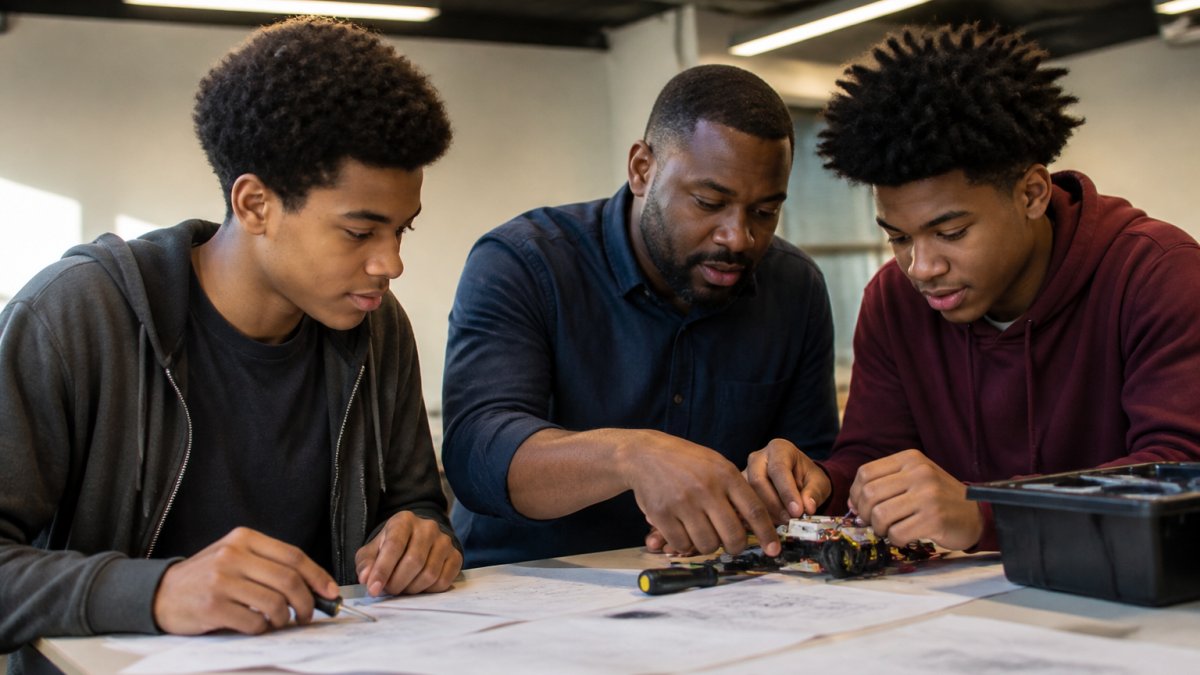
Look for programs offering one-on-one or small-group mentorship, not just large group activities. Ask about mentor vetting and training; legitimate programs screen mentors carefully and provide ongoing development.
Many teen-focused programs also operate during summer and school breaks, recognizing that teens need year-round structure.
DC After-School Program Enrollment: How to Get Your Son Started
Enrollment is where most families get stuck, not because the process is complicated but because each provider runs it differently. This section walks through the mechanics so you can move from shortlist to confirmed spot.
Step 1: Confirm the program exists at your child’s school
Start with the school office. Ask whether after-school programming operates in the building, which grades it serves, its hours, and whether it is accepting students. School-based programs often fill by late summer, so an August inquiry is not too early. If the school doesn’t host a program, ask whether it partners with a community organization that picks students up on site.
Step 2: Gather documents before you apply
Most free programs ask for the same core paperwork. Having it ready speeds up every application:
- Proof of residence, such as a utility bill or lease
- The child’s emergency contact list, including at least two adults
- A health or immunization form, and any medication or allergy information
- School enrollment confirmation, if the program is tied to a specific school
- Income documentation, if the program uses income-based eligibility
Do not assume a program is free just because it is listed as a youth program. Ask what a family pays out of pocket, including uniforms, activity fees, field trips, and late-pickup charges. A free program with a $40 late-pickup fee is still free, until you are late.
Step 3: Ask about eligibility and income rules
Eligibility is the most common reason an application stalls. Programs funded through federal or District sources frequently tie eligibility to income, school enrollment, or both. Families who qualify for free or reduced-price meals are often automatically eligible, while others may be offered a sliding-scale fee. Ask the provider which category applies to your child and what proof they need.
Step 4: Check current availability and waitlists
Availability changes term to term, so treat any listing as a starting point rather than a guarantee. When you call, ask three questions: Is the program open, waitlisted, or full right now? How long is the typical wait? When does the next enrollment window open? A program full in October may have openings in January.
Step 5: Nail down logistics before day one
Logistics decide whether a program actually works for a working family. Confirm:
- Transportation. Does the child walk from school to the site, ride a bus, or need a parent pickup? Some programs provide transport; many do not.
- Pickup and late-pickup policy. What time must the child be picked up, and what happens if you are late? Fees vary widely.
- Early dismissal and closure days. What happens on half days, teacher workdays, and school holidays?
- Snacks and meals. Is a snack or supper provided, and is it covered by a federal meal program?
- Communication. How does the program reach you about absences, behavior, or schedule changes?
Step 6: Confirm accommodations and language access
If your child needs a disability accommodation, an IEP or 504 plan, or language support, raise it during enrollment rather than after. Publicly funded programs are generally required to provide reasonable accommodations, and many offer translated materials or bilingual staff. Ask who the point of contact is for accommodations.
The fastest path to a confirmed spot is a short, consistent script: confirm the program exists, confirm eligibility, confirm current availability, then confirm logistics. Ask every provider the same questions and compare the answers side by side.
The Protégé Project coordinates free before- and after-school programming for boys ages 6-18 at North Michigan Park Recreation Center and Edgewood Community Center. Families can reach out to confirm current availability and get their sons started.
What to Look for in a Quality After-School Program
Not all free after-school programs deliver equal value. Some are genuinely excellent; others are glorified babysitting.
Academic support matters. Quality programs include homework help, tutoring, or academic enrichment, not just recreation.
Mentorship and relationships. The best programs create meaningful youth-adult relationships.
Safe, welcoming environment. Visit the program site if possible. Is it clean? Do staff know youth by name?
Consistent communication with families. Programs that keep parents informed, about what’s happening, how their son is doing, what’s coming next, demonstrate professionalism.
Demonstrated outcomes. Ask what results the program tracks. Do participants improve academically or report feeling more confident?
According to research from the American Youth Policy Forum, after-school programs that combine academic support with mentorship and youth development produce stronger outcomes than programs focused on just one element.
Conclusion
Finding free after school programs DC requires research and persistence, but options genuinely exist across neighborhoods and age groups. Whether through DCPS school-based programming, community recreation centers, or nonprofits like The Protégé Project, your son can access structured, supervised after-school care with academic support, mentorship, and enrichment, without straining your family budget.
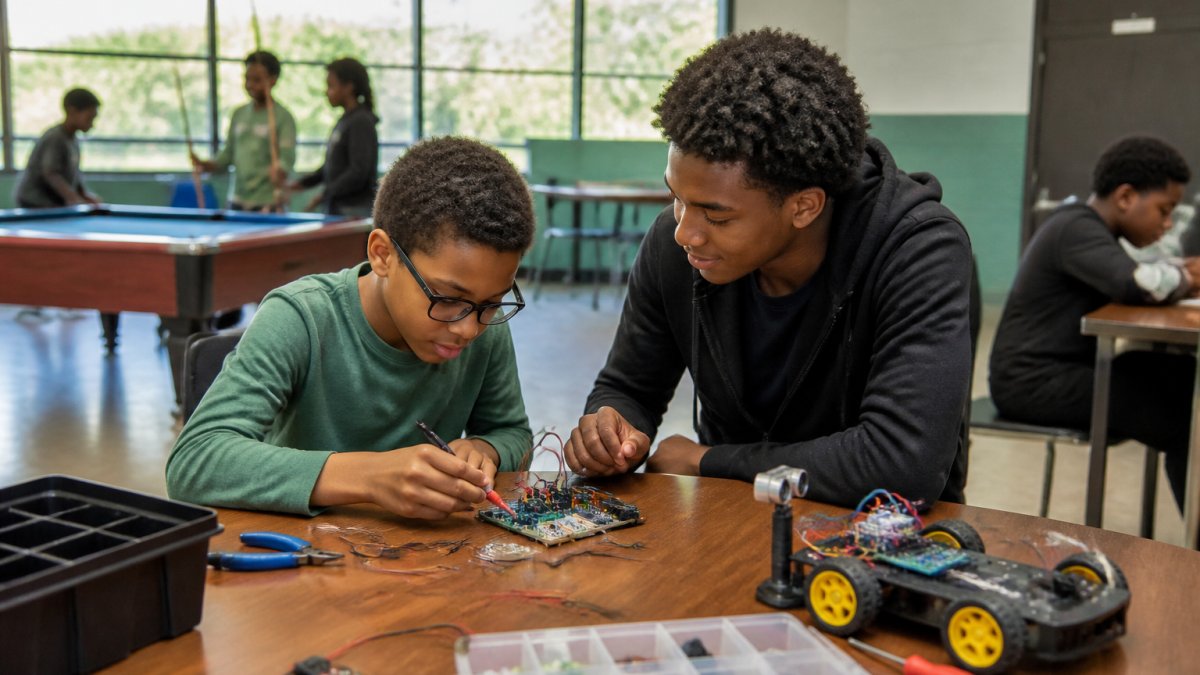
The Protégé Project offers free before and after-school programming for boys ages 6-18 at North Michigan Park Recreation Center and Edgewood Community Center, combining academic tutoring, mentorship from positive role models, and sports to build leadership and discipline. Our approach recognizes that quality after-school programming changes trajectories.
| Program Type | Best For | Hours | Cost |
|---|---|---|---|
| DCPS School-Based | Students in participating schools | 3:15-6:00 PM school days | Free |
| Recreation Center Programs | Neighborhood-based youth | Varies by facility | Free |
| Nonprofit Mentorship Programs | Boys seeking leadership & mentorship | Before/after school + summers | Free |
| Community Library Programs | Students needing homework help | After school | Free |
Frequently Asked Questions
How do I find and enroll my son in free after-school programs in DC?
Start by contacting your school’s main office or visiting your district’s website to learn about school-based options. Community centers like North Michigan Park Recreation Center and Edgewood Community Center offer free and low-cost programs. You can also search for nonprofit organizations that provide after-school services in your neighborhood. Most programs require a simple registration form and proof of residency. Check current availability and enrollment deadlines directly with each program, as spots fill quickly.
Are there free after-school programs specifically for teens in DC?
Yes. Many organizations offer programming designed specifically for middle and high school students, including mentorship, leadership development, and sports. The Protégé Project serves boys ages 6-18 with a focus on academic support, mentorship, and recreational sports. Other community-based programs emphasize youth development, discipline, and positive role modeling. Teen programs often address engagement and academic success through structured activities and trusted adult relationships.
What’s included in typical free after-school programs for school-age children?
Most free after-school programs combine academic support (homework help, tutoring), enrichment activities (arts, clubs), and recreation (sports, games). Many provide snacks and operate during extended hours after the school day ends. Some programs run year-round or expand during summer and school breaks. The specific mix varies by provider, so ask about what each program offers before enrolling.
Do DC public schools offer their own after-school programs, or do I need to find outside options?
DCPS schools often partner with community organizations to offer after-school programming at school sites. These school-based programs may be free or low-cost and typically focus on academic support and enrichment. However, availability varies by school and neighborhood. Contact your child’s school directly to learn what’s available on-site, and explore community-based programs as additional options if school offerings don’t meet your family’s needs.




Leave A Comment