

Table of Contents
- What Makes Youth Sports Programs in Washington DC Different
- Free Youth Sports Programs in Washington, DC: What Families Should Know
- After-School Programs with Sports: Daily Structure and Scheduling
- Youth Sports and Mentorship Programs: How the Two Work Together
- Sports Programs for Teens: Keeping Older Boys Engaged
- How to Choose the Right Youth Sports Program for Your Son
- Frequently Asked Questions
Last Updated: October 6, 2026
What Makes Youth Sports Programs in Washington DC Different
Finding youth sports programs in Washington DC is easy. Finding ones that fit your son’s schedule, budget, and family life is the hard part.
What separates DC from most metro areas is density. The DC Department of Parks and Recreation program listings show how many options sit under one city agency alone.
Here is the part most guides skip: the best program for your son is rarely the biggest one. It is the one he will actually attend every week.
Free Youth Sports Programs in Washington, DC: What Families Should Know
Free youth sports programs in Washington, DC are more common than most parents realize, but they fill fast and often run on limited seasonal windows.
Free does not mean low quality. It usually means funding comes from public recreation budgets, philanthropic grants, and nonprofit partnerships, a model that shapes how many coaches a program hires, how long a season runs, and whether snacks or transportation are included.
Funding and Sustainability of Free Programs
Every parent should ask before enrolling: who pays for this, and what happens if the money stops?
Community nonprofits often blend public facility access with private donations and volunteer coaching, keeping costs at zero for families but making the program dependent on steady fundraising. When you tour, ask how it is funded and whether it has operated for multiple years.
Ask the program director two questions: how long has this program operated, and what percentage of coaches return each season?
After-School Programs with Sports: Daily Structure and Scheduling
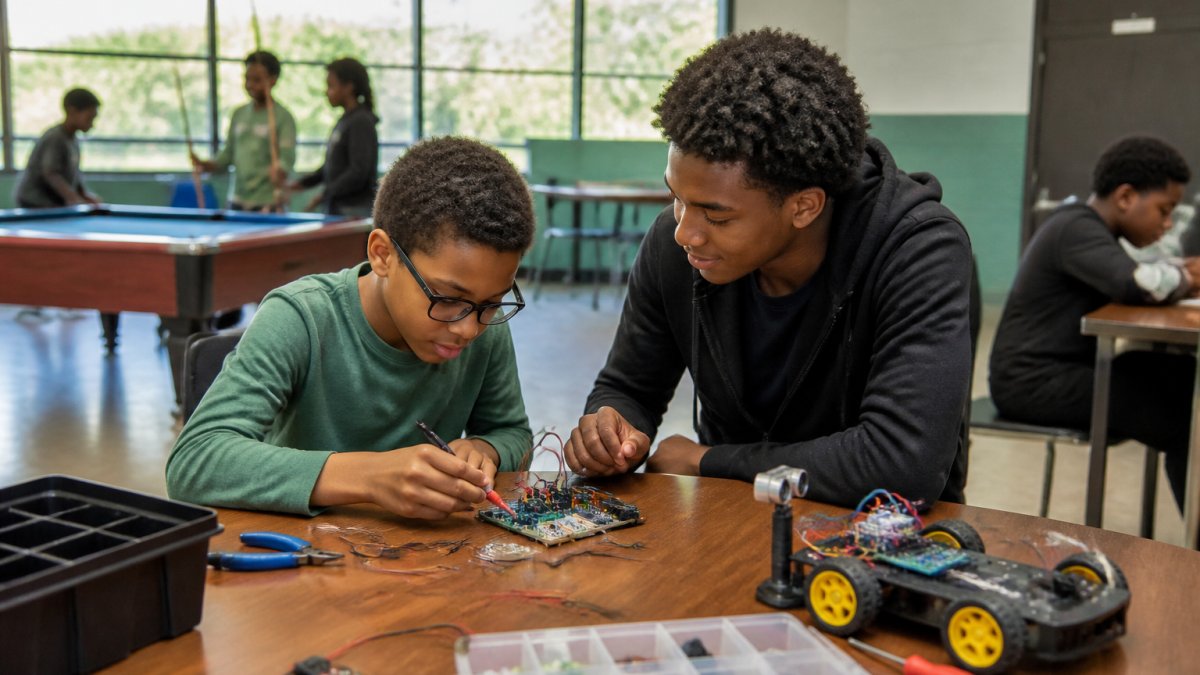
After-school programs with sports typically run from dismissal until early evening, combining homework help, a snack, and organized physical activity. Structure matters more than the sport itself, because boys who know what to expect settle in faster.
A typical afternoon looks like this:
- Arrival and snack, roughly 30 minutes
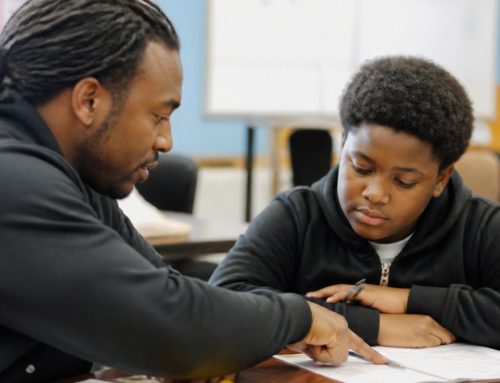
- Homework and tutoring block, 45 to 60 minutes
- Active recreation, 45 to 75 minutes
- Cool-down, dinner or pickup window
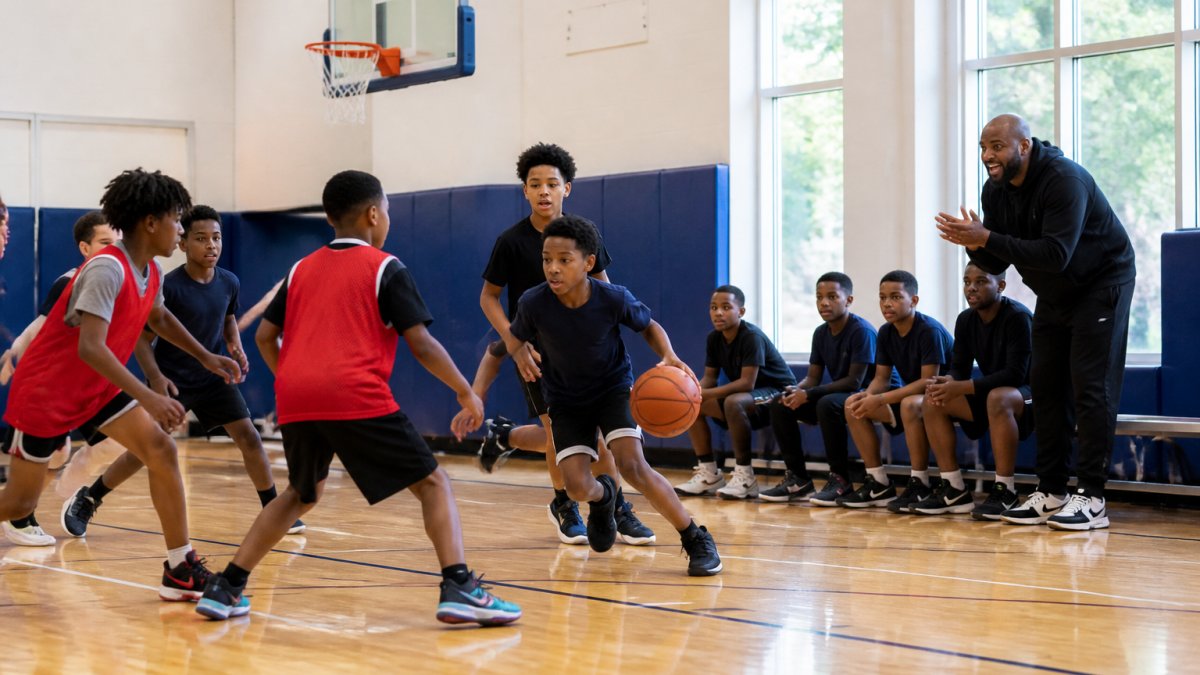
The homework block is what most parents undervalue. A program that protects that time keeps your son active.
Neighborhood-Level Logistics Most Listings Skip
Most directories stop at “we serve the District,” which is not enough to plan a week. What determines whether your son attends every day is the trip there, the trip home, and how many afternoons the program expects.
A practical way to compare programs is to map four things before you register:
- Venue type. City recreation centers, public school gyms, and nonprofit community centers each have different pickup rules, parking, and building access. Recreation centers generally have dedicated parking and a staffed front desk; school-based programs often require signing in at the main office.
- Transit and parking. Programs near Metrorail stations are easier for families without a car, but afternoon pickup can be congested. Residential-ward programs may have free lot parking but limited street parking at dismissal. Ask whether the program offers walking pickup from a nearby school, some do, removing a daily drive.
- Practice frequency. A program that meets two afternoons a week is a different commitment than one that meets five. Five-day programs function more like childcare with sports; two-day programs are closer to a league. Neither is better, they solve different problems.
- Weekly time commitment. Add the activity block, homework block, and travel. A 3:30 p.m. to 6:00 p.m. program plus a 20-minute drive each way is roughly 15 hours a week on a five-day schedule.
Year-Round vs. School-Year Availability
Most after-school sports programs follow the school calendar, closing for breaks and summer. A smaller number operate year-round or add summer programming.
If you need coverage during school breaks, ask specifically about summer and holiday schedules before enrolling. Do not assume the program continues in July just because it runs in October.
| Program Type | Typical Season | Ages Served | Cost to Families |
|---|---|---|---|
| Recreation center leagues | Fall, winter, spring | 6-14 | Free or low fee |
| Nonprofit after-school programs | School year | 6-18 | Free |
| Summer sports camps | June-August | 7-16 | Varies by provider |
| Travel and club teams | Year-round | 9-18 | Paid, often significant |
A Note on Cost Transparency
Free and low-cost programs are common in the District, but “free” rarely covers everything. Before committing, ask: Is registration free? Are there equipment or uniform costs? Is financial assistance available for travel or tournament fees?
Many city and nonprofit programs offer scholarships or sliding-scale fees, but they are often not advertised on the main registration page. Asking directly is the fastest way to find out.
Youth Sports and Mentorship Programs: How the Two Work Together
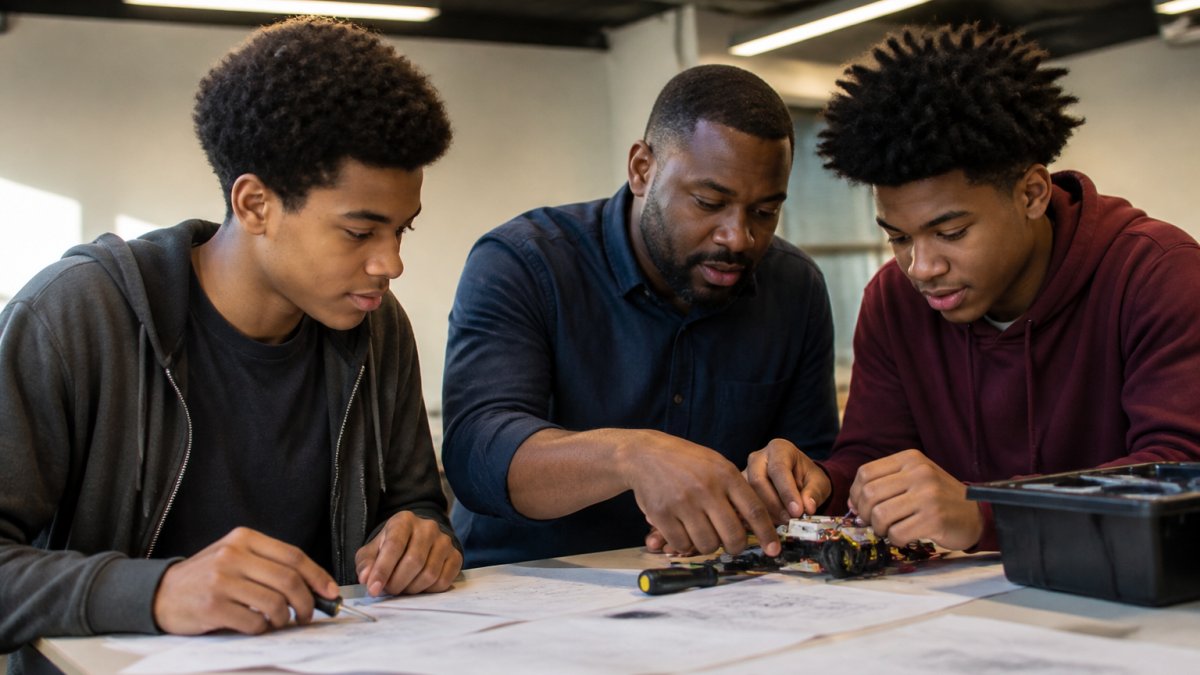
Youth sports and mentorship programs combine athletic instruction with a consistent adult relationship. The sport gets a boy in the door; the mentor keeps him coming back.
This is the model we use at The Protégé Project.
Why does the pairing work? A coach who only sees your son at practice has limited influence. A mentor who sees him three afternoons a week, knows his math teacher’s name, and notices when his grades dip has far more.
Mentor Screening and Safety Checks
Any program working with children should screen every adult who has contact with participants. Ask what that screening involves.
A reasonable standard includes a criminal background check, reference checks, and a review of prior youth-work experience. Programs should also maintain visible supervision ratios.
If a program cannot clearly describe its screening process, treat that as a red flag.
Sports Programs for Teens: Keeping Older Boys Engaged
Sports programs for teens face a harder problem than youth leagues: by 15 or 16, many boys have already quit organized sports.
Programs that keep older boys engaged usually change the format rather than the sport. Options that work include:
- Pickup games with no tryouts and open participation
- Strength and fitness training rather than competitive league play
- Coaching or junior mentoring roles for teens who age out of playing
- Multi-sport sessions that rotate activities week to week
The CDC’s youth physical activity guidance notes that teens need regular physical activity for both physical and mental health, and that structured programs are one of the most reliable ways to get it. For a 16-year-old who has disconnected from school, a program that offers responsibility, not just competition, often lands better than another league.
Comparing Teen Options Side by Side
Parents choosing for a teen usually weigh three things: whether he will show up, what it costs, and whether the environment fits. The table below reflects common patterns across city recreation, nonprofit, and club providers, confirm specifics with each program, because offerings change by season.
| Option | Typical Ages | Season | Cost Pattern | Best For |
|---|---|---|---|---|
| Recreation center open gym / pickup | 13-18 | Year-round, drop-in | Free or low fee | Teens who dislike tryouts and want flexibility |
| Nonprofit after-school sports + mentorship | 13-18 | School year | Free | Teens who need structure, homework support, and a consistent adult |
| Strength and fitness programs | 14-18 | Fall, winter, spring | Low to moderate fee | Teens who want to train without competing for playing time |
| Intramural or school-based leagues | 14-18 | Seasonal | Free or low fee | Teens already connected to a school team pipeline |
| Travel and club teams | 13-18 | Year-round | Paid, often significant | Teens pursuing competitive play and college recruitment |
| Junior coaching / mentoring roles | 15-18 | School year | Often free or stipended | Teens who have aged out of playing but want to stay involved |
Cost and Accessibility for Teens
Teen programming is where cost differences widen most. Drop-in recreation is usually free or low fee; club and travel teams carry significant annual costs including registration, uniforms, travel, and tournament fees. Nonprofit programs sit in the middle: free to families, funded through grants and donations.
Accessibility matters too. If your son has a disability or needs accommodations, ask whether the program offers adaptive formats, modified rules, or additional staff support. Language access is another practical question, ask whether registration materials and parent communication are available in your preferred language.
A Decision Guide for Families
Work through these questions before you commit a season:
- What is the goal? Fitness, mentorship, competitive play, or simply something to do after school. The answer points to a different program type.
- What is the schedule reality? A five-day program is a childcare decision. A two-day program is an activity decision.
- What is the true cost? Add registration, equipment, uniform, and travel. Ask about scholarships before you assume you cannot afford it.
- What is the coaching approach? Ask whether coaches are screened, whether they are trained to work with teens, and how they handle playing time.
- Can he try it first? Many programs allow a visit or a trial session. Use it.
The best teen program is the one your son will still attend in week ten. Prioritize consistency, clear costs, and a format that matches his goal.
Safety and Program Quality Checks
Before enrolling a teen, ask how the program screens coaches and volunteers, what first aid and supervision look like, and how closures are communicated. A program that describes these processes specifically is a safer bet than one answering in generalities.
How to Choose the Right Youth Sports Program for Your Son
The right program matches your son’s age, your family’s schedule, and your need for consistency. Start by deciding what problem you are solving: childcare coverage, physical activity, mentorship, or all three.
Work through these questions in order:
- What days and hours do we actually need?
- Is the program free, and if so, how is it funded?
- What is the coach-to-child ratio?
- Does the program serve his age group with something he will enjoy?
- How are mentors screened?
- Can we visit before committing?
Questions to Ask Before Enrolling
Ask about group size first.
Then ask about outcomes. A program worth your son’s time should describe how it tracks attendance, academic progress, and behavior.
Finally, ask about fit. If your son attends school outside DC, confirm eligibility before registering. Many programs serve families across the DC, Maryland, and Virginia area, but not all do.
The strongest programs answer your questions with specifics: named staff roles, stated ratios, and a clear schedule.
Finding the right youth sports programs in Washington DC takes more than a search result. It takes asking the right questions about funding, safety, and fit. At The Protégé Project, we offer free before and after-school programming for boys ages 6-18, combining mentorship, academic support, and recreational sports in a safe, structured environment.
Frequently Asked Questions
Are there free youth sports programs in Washington, DC for boys?
Yes. Several nonprofit and community organizations in Washington, DC offer free youth sports programs for boys, including The Protégé Project, which provides free before and after-school programming for boys ages 6-18 at North Michigan Park Recreation Center and Edgewood Community Center. These programs combine sports like basketball, soccer, and flag football with academic support and mentorship. Because funding comes from donations and grants, availability can vary by season, so families should contact programs directly to confirm current openings.
Do youth sports and mentorship programs in DC accept boys who live outside the city?
It depends on the program. Some youth sports and mentorship programs in Washington, DC serve families across the broader metro area, including parts of Maryland and Virginia, while others prioritize children in specific neighborhoods or wards. The Protégé Project, for example, coordinates programming at North Michigan Park Recreation Center and Edgewood Community Center and works with families from across the region. If your son attends school outside DC, ask the program directly about eligibility before you enroll.
What should families look for in an after-school program with sports?
Start with safety and staffing: ask how mentors are screened, what the staff-to-child ratio is, and whether the program runs background checks. Next, look at structure. A strong after-school program with sports balances physical activity with homework help and skill-building rather than offering free play alone. Ask about daily schedules, group sizes, and whether the program operates year-round or only during the school year. Finally, request outcome data, such as grade improvements or attendance records.
Is a youth sports program right for a teenager who is disconnected from school?
Yes, and it is often exactly the right fit. Sports programs for teens that pair athletics with mentorship tend to work well for older boys who have checked out of school. Look for programs that group teens separately from younger children, offer leadership roles, and connect sports participation to academic goals. Ask the program how they handle disengaged teens and what one-on-one attention your son will receive.






Leave A Comment