
Table of Contents
- What Matters Most When Choosing an After-School Program for Your Son
- After-School Program Safety Checklist: Verifying Supervision and Staff Quality
- Questions to Ask an After-School Program Before Enrollment
- After-School Program Activities for Boys: Academic Support, Sports, and Mentorship
- After-School Care vs. After-School Enrichment: What Your Son Actually Needs
- Assessing Program Fit: Your Son’s Interests, Needs, and Learning Style
- Making the Final Decision: Trial, Transition, and Ongoing Communication
- Frequently Asked Questions
Last Updated: October 11, 2026
What Matters Most When Choosing an After-School Program for Your Son
Selecting the right after-school program shapes your son’s confidence, academic performance, and sense of belonging. Every boy is different, what works brilliantly for one child may fall flat for another.
A poor fit wastes time and money; the right program delivers academic gains, friendships, and mentorship. This guide walks you through the framework to find that fit.
Start with three questions: What does my son need? What does our schedule require? What environment brings out his best self?
After-School Program Safety Checklist: Verifying Supervision and Staff Quality
Safety isn’t a feature, it’s the foundation everything else is built on. Before you even consider academics or activities, you need absolute clarity on how a program keeps your son secure, both physically and emotionally.
Staff Qualifications and Background Checks
The adults running the program are the program. Ask directly: What training do staff have? Have they passed background checks? Look for staff with teaching, coaching, social work, or mentorship experience. Ask whether they receive ongoing training in child development and conflict resolution. If a program won’t answer these questions clearly, that’s a red flag.
A program that resists questions about staff background checks or qualifications is signaling that oversight is not a priority. Walk away and find one that welcomes scrutiny.
Child-to-Staff Ratios and Supervision Standards
Child-to-staff ratios determine attention and responsiveness. For ages 6-10, aim for 1:10 or better; for ages 11-18, 1:15 is reasonable. Ask how supervision works during transitions (arrival, dismissal, activity changes) and what happens when staff are absent. Programs with backup plans have thought through safety.
Questions to Ask an After-School Program Before Enrollment
What is your daily schedule, and how flexible is it? Ask for a written schedule. Know what happens minute-by-minute from pickup to dismissal. If a program can’t articulate its structure, it doesn’t have one.
What happens if my son doesn’t like an activity or wants to sit out? A good program respects individual choice. A program that forces participation teaches the wrong lesson.
How do you communicate with parents? Do they send daily updates, weekly summaries, or just call if something’s wrong? Know the communication rhythm before you enroll.
What’s your discipline approach? How do you handle behavior issues? What does a consequence actually look like? You need to agree with their philosophy before conflicts arise.
Can I visit anytime, or are there specific visiting hours? Programs that welcome parent observation are programs confident in what they’re doing.
Understanding Scheduling, Pickup, and Year-Round Availability
Logistics matter because they determine whether a program actually works for your family. A program with perfect activities is worthless if you can’t pick your son up on time.
Ask: What are the exact hours? Do they offer early pickup? What happens on early dismissal days? Does the program operate during school breaks? Ask about makeup days if your son misses a session. Know the policy upfront.
Ask whether the program operates on half-days and school closure days. This single question often reveals whether a program actually solves your family’s childcare puzzle or just fills part of it.
Clarifying Group Size and One-on-One Support
Ask how many kids are in the program and how they’re grouped (by age, grade, or interests). Ask directly about one-on-one time: Will your son get individual attention, or is everything group-based? For boys who struggle academically or socially, individual attention can be transformative.
After-School Program Activities for Boys: Academic Support, Sports, and Mentorship
What your son actually does during those hours matters enormously. The best program for your son combines academics, physical activity, and the kind of mentorship that builds confidence.
Academic Support and Homework Help
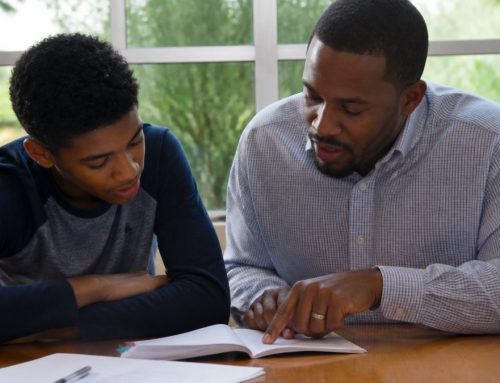
Ask what academic support looks like: Is there dedicated homework time? Do they have tutors? Can they contact your son’s teacher if he’s struggling? Also ask what happens if your son finishes homework early, does he get to do something he enjoys, or does the program assign more work? Boys engage better with programs that respect their time.
Sports, Enrichment, and Building Confidence
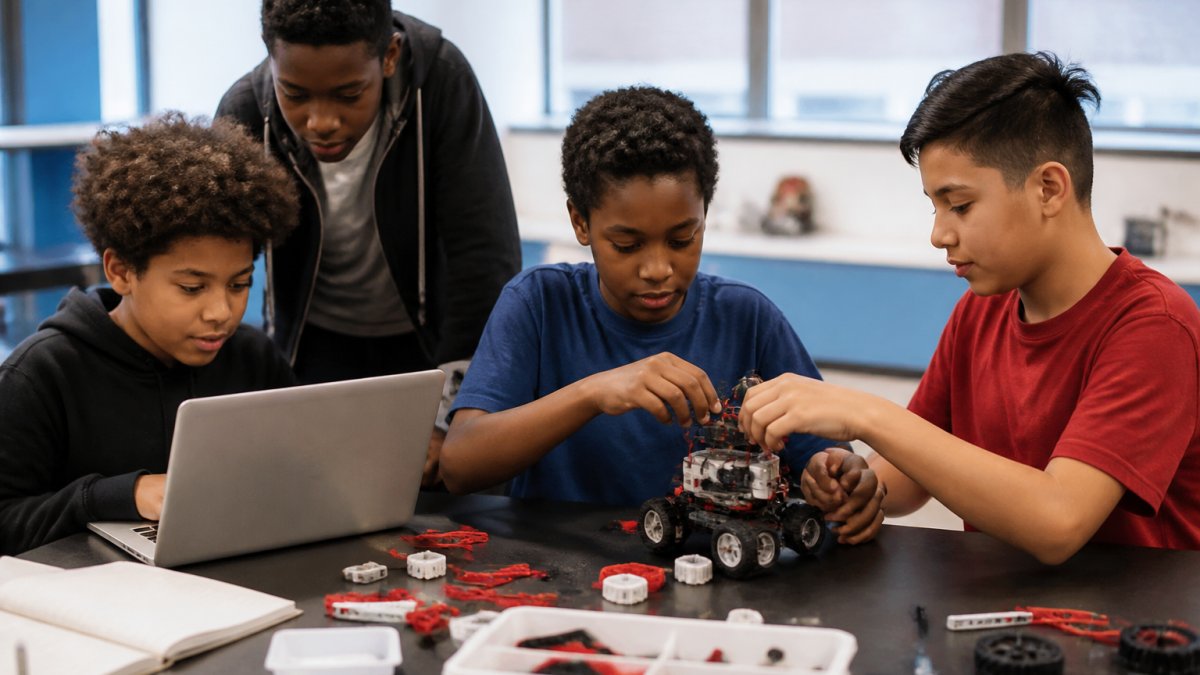
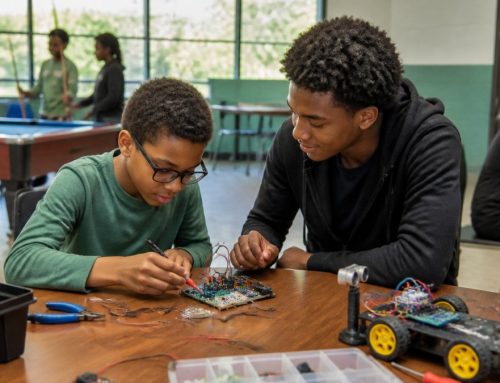
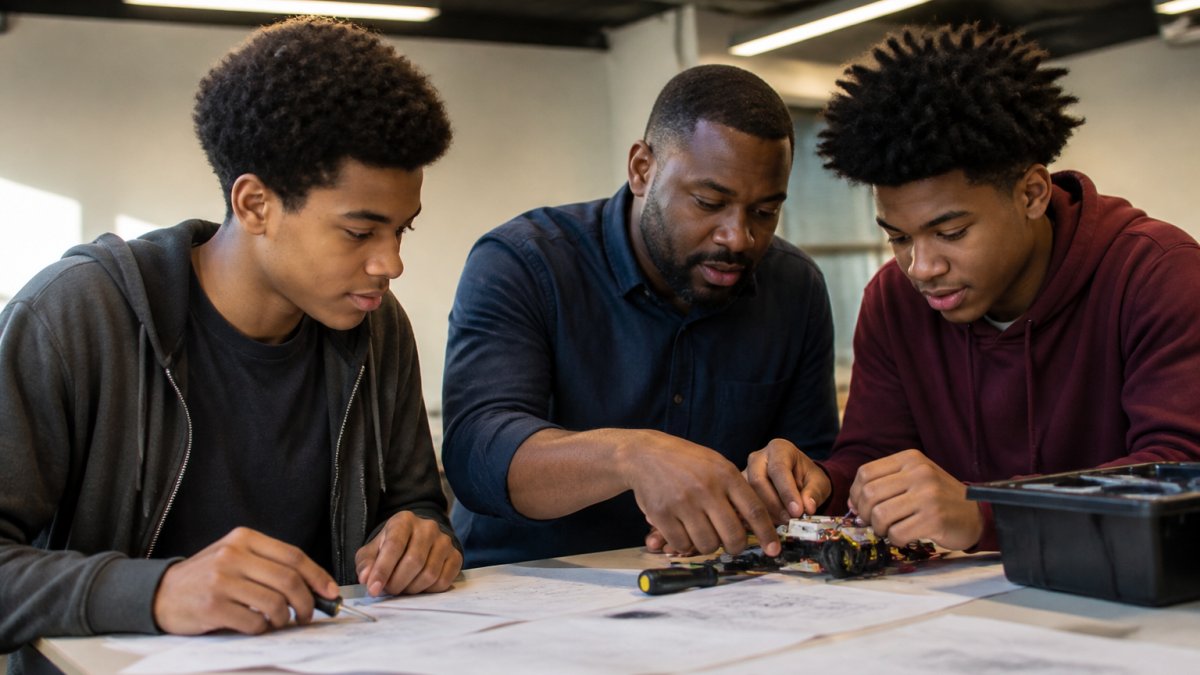
Ask what sports and enrichment activities are available and whether your son can choose participation. The best programs let boys discover their interests. Also ask about mentorship: Does the program assign mentors, or does mentoring happen naturally? Positive male role models matter, especially for boys without them at home.
The activities matter less than whether your son feels challenged, supported, and genuinely interested in showing up. A program with mediocre activities but strong mentorship beats a program with amazing activities and distant staff.
After-School Care vs. After-School Enrichment: What Your Son Actually Needs
These terms get used interchangeably, but they’re not the same thing. Understanding the difference shapes what you’re actually paying for.
After-school care provides supervision and safe space, prioritizing safety and homework completion. After-school enrichment intentionally builds skills, confidence, and relationships through mentorship and activities. Most families need both. Ask yourself: Am I looking for supervision, or growth? The answer determines which programs to consider.
Assessing Program Fit: Your Son’s Interests, Needs, and Learning Style
The best program in the world isn’t the best program for your son if it doesn’t match who he is.
Age-Appropriate Programming and Peer Interaction
Your son’s age shapes what he needs from a program. A 7-year-old and a 16-year-old have completely different developmental needs, social dynamics, and interests.
For younger boys (ages 6-10), programs should focus on play-based learning, basic skill-building, and positive peer relationships. Structure matters, but flexibility within that structure is important. These boys are still figuring out how to be in groups.
For middle-school boys (ages 11-14), programs should balance structure with increasing autonomy. They’re developing identities and peer relationships become more important. Programs that let them have some choice in activities and that build leadership skills work well.
For older teens (ages 15-18), programs need to feel relevant. Mentorship, real skill-building, and opportunities to lead matter more than structured activities. A 16-year-old sitting in a circle doing crafts will check out mentally.
Ask whether the program groups kids by age or mixes ages. Both approaches have merit, but they create different dynamics. Age-grouped programs let kids connect with peers at the same developmental stage. Mixed-age programs let older kids mentor younger ones, which builds leadership.
Also ask about peer dynamics. Does the program intentionally help kids develop friendships, or is peer interaction just what happens? Programs that create opportunities for boys to bond tend to have better engagement and retention.
Evaluating Program Environment and Emotional Well-Being
Your son will spend 10-15 hours a week in this program. The emotional tone matters as much as the activities.
Visit the program in action. Watch how staff interact with kids. Do they seem genuinely interested, or are they just managing behavior? Do kids look happy to be there, or are they counting down to pickup? Does the space feel welcoming and organized, or chaotic and neglected?
Pay attention to how the program handles emotions. Does it create space for boys to talk about feelings, or is that considered soft? Boys often struggle to name emotions. A program that normalizes emotional expression teaches a critical life skill.
Also notice how the program handles mistakes and failure. Does it shame kids who struggle, or does it frame struggle as part of learning? Boys who’ve had negative school experiences often need a program that proves not all adults are going to criticize them.
Ask directly: How do you create an emotionally safe environment? What do you do if a boy is struggling emotionally or socially? Programs that have thought about this question have better outcomes.

Making the Final Decision: Trial, Transition, and Ongoing Communication
You’ve asked questions, visited programs, and narrowed your choices. Now comes the hardest part: actually committing.
Start with a trial period if possible. Many programs offer a week or two of trial enrollment. Use this time to watch your son’s actual experience, not just what the program tells you.
Also watch the transition. How does your son handle being picked up from school and taken to the program? Some boys struggle with the transition from school to after-school care. They’re already tired.
Talk to your son about his experience. Ask specific questions: What was your favorite part? What was hard? Did you feel safe? Do you want to go back?
Pay attention to the first two weeks. That’s when you’ll see the real fit. If your son is struggling after two weeks, talk to program staff. If they listen and adjust, that’s a good sign.
Also establish clear communication with the program. Know how they’ll reach you if something’s wrong. Know how often you’ll hear updates. Know who your son’s primary contact is.
As your son settles in, check in regularly. Ask how he’s doing academically. Ask whether he’s made friends. Ask if there are any concerns.
Also remember that fit can change. A program that works great for your 10-year-old might not work for your 13-year-old. Be willing to reassess annually and make changes if needed.
Choosing an after-school program is choosing an environment where your son will spend significant time during formative years. The right program provides safety, academic support, mentorship, and opportunities to build confidence and leadership.
| Consideration | What to Look For | Why It Matters |
|---|---|---|
| Staff qualifications | Background checks, training, mentorship experience | Safety and quality of relationships |
| Child-to-staff ratios | 1:10 or better for younger boys, 1:15 for older teens | Ability to provide individual attention |
| Academic support | Dedicated homework time, tutoring, teacher communication | Academic progress and confidence |
| Activities | Mix of sports, enrichment, choice in participation | Engagement and skill-building |
| Mentorship | Intentional adult relationships, not just supervision | Emotional growth and resilience |
| Communication | Regular updates, accessible staff, responsive to concerns | Peace of mind and partnership with program |
| Emotional safety | Normalizes feelings, frames struggle as learning, respects individuality | Boys feel seen and supported |
| Trial period | Ability to test fit before full commitment | Confidence in your decision |
Frequently Asked Questions
What makes a good after-school program for boys?
A strong after-school program combines safe supervision, qualified staff, and activities that match your son’s interests. Look for programs offering academic support, mentorship, physical activity, and creative enrichment. The best fit includes small group sizes, clear communication with parents, and staff who understand your son’s individual needs and learning style. Programs that blend homework help with confidence-building activities, like sports or leadership training, tend to have the strongest impact on both academic performance and emotional well-being.
How can I verify that an after-school program is actually safe?
Ask the program directly about staff background checks, training certifications, and child-to-staff ratios. Request to see their safety policies in writing. Visit the facility unannounced if possible to observe supervision and the physical environment. Check whether staff are trained in CPR and first aid, and ask how they handle emergencies. Speak with other parents whose sons attend. Reputable programs are transparent about their vetting process and welcome parent questions about safety, if a program is evasive, that’s a red flag.
What’s the difference between after-school care and after-school enrichment?
After-school care is primarily supervision and safe space during the hours between school dismissal and parent pickup. It may include snacks and free play but focuses on childminding. After-school enrichment adds structured activities like tutoring, sports, arts, mentorship, or leadership programs designed to develop skills and interests. Many programs blend both: they provide reliable care while also offering academic support and enrichment activities. Choose based on your son’s needs, if he needs homework help and mentorship, enrichment is essential; if you need safe supervision, care-focused programs work. The best programs integrate both.
How do I know if my son is actually benefiting from the program?
Track observable changes: improved grades, homework completion, confidence, social connections, and engagement in activities. Ask your son directly what he enjoys and whether he feels supported. Request regular feedback from program staff about his academic progress, behavior, and participation. Set a trial period, usually 4 to 6 weeks, before committing long-term. If your son is resistant or showing no improvement after a fair trial, the program may not be the right fit. Strong programs provide parent communication; ask for specific examples of how they’re supporting your son’s growth.







Leave A Comment